Four-Season Architecture: Elevating Landscape Design for Victoria's Winter Climate

Victoria’s winter months bring a unique challenge to landscape design. The Pacific Northwest’s grey skies, persistent rain, and shorter daylight hours can leave gardens looking dull and neglected. Yet, with thoughtful planning and expert craftsmanship, outdoor spaces in Victoria, BC, can maintain their beauty and value throughout the year. Designing landscapes that thrive in the wet, cool months requires more than just planting hardy species. It demands a strong architectural foundation, strategic plant selection, smart lighting, and careful engineering to manage water and safety.
This post explores how high-end landscape architecture transforms properties in Greater Victoria’s Oak Bay, Saanich, and Uplands neighborhoods into stunning, functional environments during the grey months. By focusing on hardscape architecture, winter plant palettes, custom outdoor lighting, and drainage solutions, homeowners and commercial developers can protect their investment and enjoy their gardens year-round.
The Structural Bone of a Garden
When perennials go dormant and deciduous trees shed their leaves, the garden’s living elements retreat. At this time, the hardscape—the stonework, retaining walls, pathways, and custom masonry—becomes the garden’s visible framework. This structural “skeleton” supports the landscape’s form and function through the winter.
High-quality hardscaping provides several benefits:
Durability: Materials like natural stone and concrete withstand Victoria’s wet climate without degrading or becoming slippery.
Visual Interest: Textured stone walls, layered terraces, and sculptural masonry create depth and contrast against the muted winter backdrop.
Spatial Definition: Retaining walls and raised beds organize the garden into distinct areas, guiding movement and framing views.
Year-Round Value: Well-crafted hardscape elements maintain property value by enhancing curb appeal and outdoor usability regardless of season.
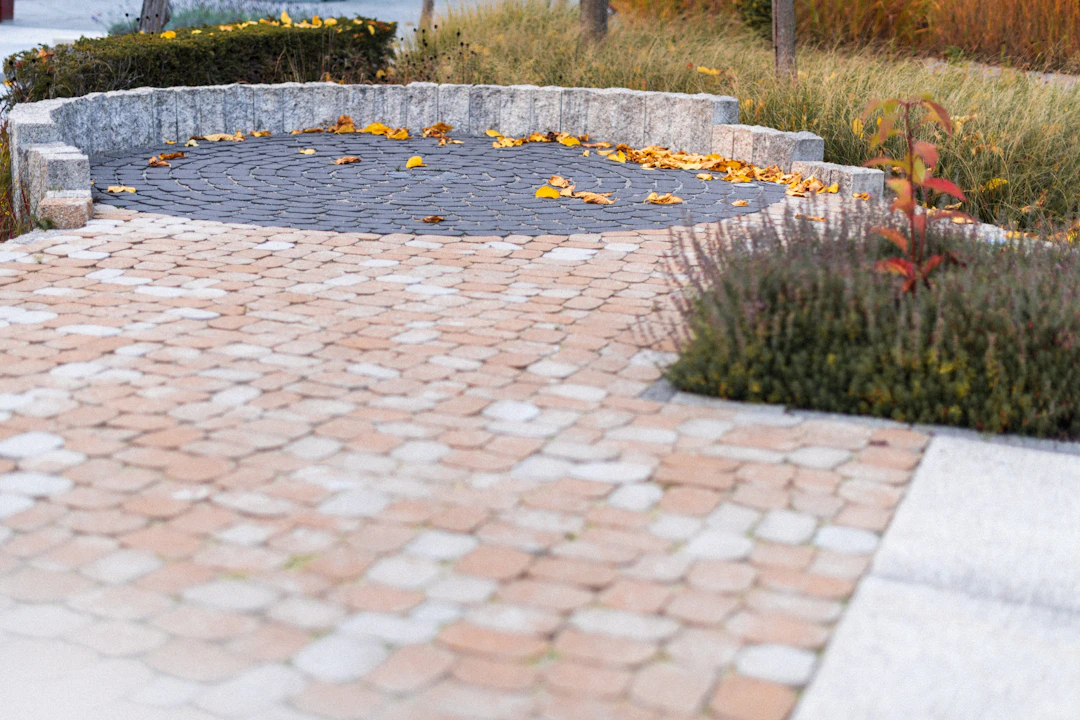
For example, a custom stone retaining wall in an Oak Bay garden not only prevents soil erosion during heavy rains but also adds a timeless elegance that complements the home’s architecture. Similarly, permeable pavers laid with precision provide stable, safe walkways that drain efficiently, avoiding muddy patches common in winter.
Investing in expert hardscape architecture ensures the garden’s foundation remains strong and attractive when plants rest.
Winter Interest Plant List for Victoria’s Climate
Victoria’s mild winters (USDA Hardiness Zones 8 and 9) allow for a diverse selection of plants that provide colour, texture, and structure during the grey months. Choosing the right species is essential to keep gardens lively and inviting.
Here are some standout plants for winter garden design in the PNW:
Red Twig Dogwood (Cornus sericea)
Bright red stems provide striking colour against the winter landscape, especially after leaves drop.
Hellebores (Helleborus spp.)
Known as Christmas or Lenten roses, these perennials bloom in mid-winter with delicate flowers in shades of white, pink, and purple.
Evergreen Sword Fern (Polystichum munitum)
Adds lush, textured greenery that contrasts with bare branches and wet stone.
Mahonia (Mahonia aquifolium)
Offers glossy, spiny leaves and yellow flowers that brighten late winter.
Pieris japonica
Features evergreen foliage with new growth in red or bronze tones, plus early spring flower clusters.
Camellia japonica
Blooms in late winter with large, showy flowers in red, pink, or white.
Skimmia japonica
Compact evergreen shrub with fragrant white flowers and red berries in winter.
Grasses like Carex and Festuca
Provide movement and texture even when other plants are dormant.
Selecting a mix of these plants ensures year-round interest, balancing colour, form, and texture. Grouping them near hardscape features enhances their impact and creates focal points in the winter garden.

The Engineering of Light to Transform Grey Spaces
Short days and overcast skies mean outdoor spaces often feel dark and uninviting in winter. Professional landscape lighting changes this by creating warmth, depth, and safety after dusk.
Effective lighting design includes:
Layered Illumination: Combining path lights, uplights, and accent lights to highlight architectural features, plants, and seating areas.
Warm Colour Temperatures: Using LED lights with warm tones to counteract the cold grey environment.
Energy Efficiency: Installing low-voltage, solar, or smart lighting systems to reduce energy use.
Safety and Security: Illuminating walkways, steps, and entrances to prevent slips and enhance visibility.
For example, uplighting a Red Twig Dogwood’s vibrant stems creates a glowing silhouette that contrasts beautifully with the dark winter sky. Path lighting along permeable pavers guides visitors safely while adding subtle charm. Custom outdoor lighting tailored to the property’s design elevates the garden into a high-end nighttime environment, extending its usability and enjoyment.
Winter Safety and Drainage Solutions
Victoria’s frequent rain can quickly turn poorly designed landscapes into muddy, unsafe areas. Proper drainage and surface materials are critical to maintaining clean, dry, and accessible outdoor spaces.
Key considerations include:
Permeable Pavers: These allow water to seep through, reducing runoff and puddling. They also provide firm footing during wet conditions.
Grading and Drainage Systems: Professional installation of French drains, swales, and underground piping directs water away from foundations and walkways.
Retaining Walls with Drainage: Walls designed with weep holes and drainage layers prevent soil saturation and structural damage.
Non-Slip Surfaces: Textured stone and concrete finishes improve traction in wet weather.
By integrating these elements, landscapes avoid the “mud pit” look common in winter and remain safe for residents and visitors. This engineering protects the investment in both plantings and hardscape, ensuring the garden’s longevity.
Bringing It All Together
Designing for Victoria’s grey months requires a holistic approach that balances structure, plant selection, lighting, and engineering. The Blackbird Collective’s expertise in hardscape architecture and winter garden design in the PNW creates outdoor spaces that look refined and function flawlessly year-round.
A garden’s structural bone holds its form when plants rest. Carefully chosen winter interest plants add colour and texture. Thoughtful lighting transforms the mood after dark. And smart drainage keeps the landscape clean and safe.
For premium homeowners and commercial developers in Greater Victoria, investing in professional landscape architecture means more than a pretty garden. It means a durable, elegant outdoor environment that enhances property value and enjoyment through every season.
Explore the Blackbird Collective’s Projects gallery to see how these principles come to life in real Victoria gardens. Witness how expert design holds up in the wet months and imagine what it could do for your property.

Comments