The Victoria Homeowner’s Guide to Landscape ROI: Upfront Costs vs. 15-Year Reality.


For homeowners in Greater Victoria, Saanich, and the West Shore, landscaping is a significant investment in property
This guide breaks down the Total Cost of Ownership (TCO) for Victoria’s primary landscape categories, helping you choose the path that maximizes ROI while minimizing the "maintenance mortgage."
1. Lawns: The High-Maintenance Tradition
With CRD water rates and the rising prevalence of the European Chafer Beetle, the traditional lawn is the most expensive "cheap" option available.
Option | Pros | Cons | 15-Year TCO |
Natural Sod | Classic look; naturally cools the air; lowest initial cost (~$3–$5/sq. ft.). | High Maintenance: Requires 40+ hours/year of labor; high water bills during Stage 2 restrictions. | Highest |
Artificial Turf | Always green; zero water/mowing; superior drainage for rainy winters. | Heat & Lifespan: High upfront cost (~$12–$20/sq. ft.); 12–15 year lifespan before replacement. | Low(Break-even yr 7) |
2. The Garden: Softscaping & Soil Health
In Victoria's Zone 9b, your garden is your greatest asset for "curating nature." The goal is to move from high-water ornamentals to climate-resilient systems.
Native & Climate-Resilient Gardens ($8 – $15/sq. ft.):
Pros: Deeply adapted to Victoria’s droughts; provides habitat for local pollinators; requires zero supplemental water after year three.
Cons: Higher upfront cost for mature, high-quality native species.
The Mulch Factor: A 3-inch layer of composted bark mulch is the ultimate TCO-reducer, cutting weeding by 80% and water loss by 50%.
Traditional Ornamental Beds ($5 – $10/sq. ft.):
Pros: Familiar aesthetic; lower initial planting cost.
Cons: Requires constant "deadheading," seasonal fertilizing, and heavy irrigation to survive a Victoria August.
3. Patios: Managing the "Victoria Clay" Movement
Victoria sits on heavy clay and bedrock. When clay expands in winter, it can snap rigid surfaces that aren't built for movement.
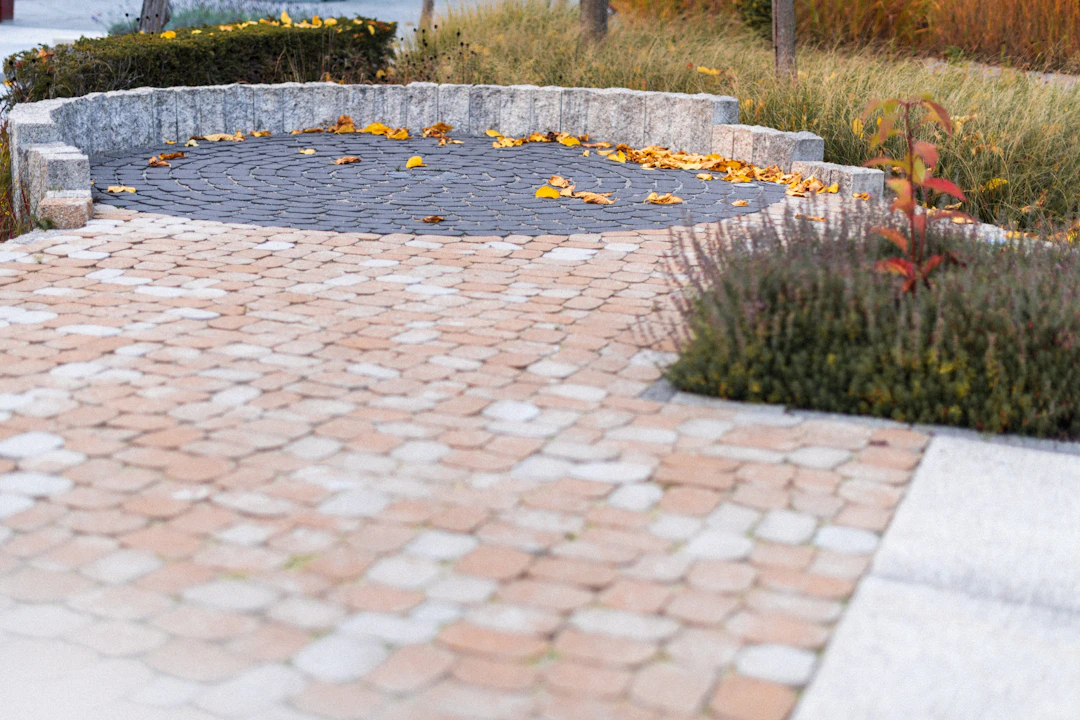
Interlocking Pavers ($25 – $45/sq. ft.)
Pros: A flexible system that moves with the ground; easy to lift and reset if a tree root or soil shift occurs; high-end aesthetic.
Cons: Higher initial labor; requires occasional "polymeric sand" top-ups to prevent weeds.
15-Year TCO: Low. Extremely durable (30+ years).
Poured or Stamped Concrete ($20 – $40/sq. ft.)
Pros: Seamless look; faster installation than individual pavers.
Cons: High risk of cracking in Oak Bay/Saanich clay; stamped versions require resealing every 2 years ($600+) to prevent color fading and water ingress.
15-Year TCO: Moderate. The maintenance and eventual repair of cracked slabs add up quickly.
4. Decks: Surviving the West Coast Wet
In the Pacific Northwest, wood is constantly under attack by rot, moss, and algae.
Pressure-Treated Wood ($40 – $60/sq. ft.):
The Trap: Lowest entry price.
The Reality: Requires aggressive staining every 2 years ($1,000+). Lifespan is often only 10–12 years in our humid climate before boards fail.
Composite (Trex/Azek) ($70 – $100/sq. ft.):
The Value: High entry cost, but zero maintenance beyond a seasonal wash.
15-Year TCO: Lowest. By year 8, the lack of staining and repair costs makes it significantly cheaper than wood.
5. Retaining Walls: Structural Security
Many Victoria lots are sloped, making walls a necessity. A failing wall isn't just an eyesore; it’s a massive structural liability.
Material | Pros | Cons | 15-Year TCO |
Timber Walls | Warm, natural look; lower initial cost. | Rot Risk: Direct soil contact kills wood in 10-15 years. | High (Full replacement) |
Engineered Block | Designed for soil pressure; superior drainage for heavy BC rains. | Aesthetic: Can feel industrial (look for "natural stone" textures). | Low(Permanent fix) |
Natural Stone | Highest property value boost; zero maintenance; lasts centuries. | Labor: Requires highly skilled stonemasons. | Lowest (100+ year life) |
Executive Summary: The "Smart" 2026 Budget
To maximize ROI and minimize the "maintenance mortgage" on your Victoria home, the "Gold Standard" combination is:
Hardscape: Interlocking Pavers (Flexibility to survive ground movement).
Decking: Composite (Avoid the rot-and-stain cycle).
Garden: Native Planting + 3" Mulch (Climate-resilient and low-water).
Walls in Victoria, BC: Choose between Engineered Block or Natural Stone for your construction needs. In the unique climate and landscape of Victoria and its surrounding areas, it's essential to "Build it once, build it right." Invest in durable materials that withstand local conditions while enhancing the aesthetic appeal of your property.

Comments