Sustainable Hardscaping Practices in the PNW: Building a Greener Tomorrow

Updated: Sep 24
Overview of Sustainable Hardscaping
Explore sustainable hardscaping practices in the Pacific Northwest to enhance your outdoor space while promoting environmental stewardship. Key practices include using permeable paving, native plants, composting, and recycled materials. Benefits include improved aesthetics, property value, and biodiversity. Embrace eco-friendly designs for a sustainable future.
Contents
Understanding Sustainable Hardscaping
Why Opt for Sustainable Hardscaping?
Key Sustainable Hardscaping Practices
1. Permeable Paving
2. Native Plant Landscaping
3. Composting and Mulching
4. Recycled Materials
Outdoor Living Design and Sustainability
Entertainment Spaces
Water Features
Native Plant Gardens
Designing with Climate in Mind
Maximizing Resources
Benefits of Sustainable Hardscaping in Victoria
The Future of Hardscaping in the PNW
Education and Advocacy
Join the Movement Towards Sustainability!
FAQs
What is sustainable hardscaping?
Why should I opt for sustainable hardscaping?
What are some key sustainable hardscaping practices?
How can I incorporate sustainable elements into my outdoor living spaces?
What are the benefits of sustainable hardscaping in Victoria?
The Pacific Northwest (PNW) is renowned for its stunning natural beauty, characterized by lush green forests, majestic mountains, and a temperate climate. As the region evolves, so do the preferences in landscaping and hardscaping. This evolution leads to a growing need for sustainable practices in outdoor design. This guide will explore sustainable hardscaping practices that enhance your outdoor living space while promoting environmental stewardship. Discover how modern hardscaping in Victoria can obtain a greener makeover while achieving your dream outdoor living designs.
Understanding Sustainable Hardscaping
Sustainable hardscaping refers to integrating environmentally-friendly materials and practices when designing outdoor spaces. This includes choosing native plants, using permeable materials, and implementing systems that manage water runoff effectively. Using sustainable methods helps conserve natural resources and contributes to the aesthetics of your outdoor area.
Why Opt for Sustainable Hardscaping?
The decision to implement sustainable hardscaping practices in the PNW stems from a blend of aesthetic desires and environmental responsibilities. Here are some compelling reasons to adopt such practices:
Environmental Responsibility: Sustainable hardscaping minimizes negative impacts on the ecosystem by promoting biodiversity and reducing pollution.
Cost Efficiency: While the initial investment may seem higher, sustainable materials often lead to lower maintenance costs over time.
Enhanced Property Value: Sustainable landscapes are increasingly sought after, often resulting in a higher return on investment for homeowners.
Aesthetic Appeal: Thoughtful hardscaping can beautifully blend your outdoor living design with the natural surroundings, creating a serene and inviting space.
Key Sustainable Hardscaping Practices
1. Permeable Paving
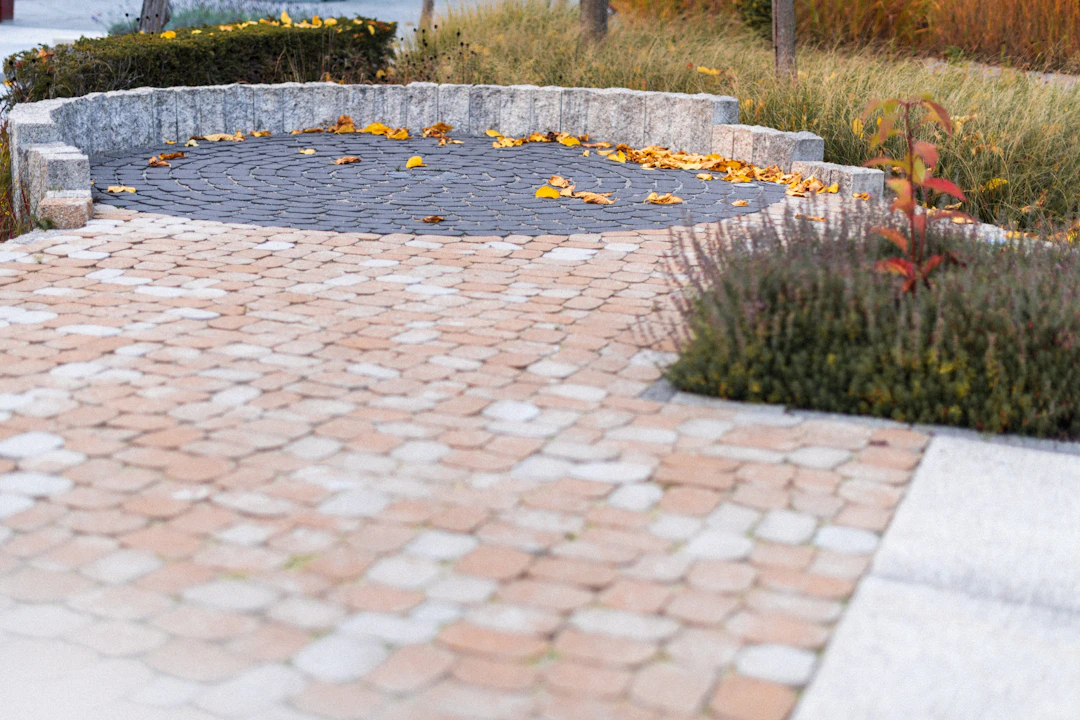
One of the most effective sustainable practices is the use of permeable paving. This technique allows water to seep through the surface, reducing runoff and promoting groundwater recharge. Materials such as porous asphalt, permeable concrete, and interlocking pavers can be effective options. Not only does permeable paving help manage stormwater, but it also provides the durability needed for custom patios in BC.
2. Native Plant Landscaping
Incorporating native plants into your hardscape can significantly enhance sustainability. These plants are already adapted to the local climate and soil conditions, requiring less water and maintenance. Additionally, native plants support local wildlife and promote biodiversity. This approach aligns perfectly with modern hardscaping trends seen in urban settings like Victoria.
3. Composting and Mulching
Utilizing compost and mulch in your landscape improves soil health and reduces the need for chemical fertilizers. Compost can be made from organic materials, such as kitchen scraps and yard waste, providing a rich amendment for garden beds. Mulching helps retain moisture in the soil, further minimizing watering needs.
4. Recycled Materials
Using recycled materials in hardscaping is a more sustainable choice. Reclaimed wood, recycled concrete, and leftover stones can be repurposed to create unique and durable features for your outdoor space. This not only reduces waste but also adds character to your project, aligning with modern hardscaping philosophies.
Outdoor Living Design and Sustainability
Outdoor living spaces go beyond simply adding a patio or deck. The integration of sustainable elements into your outdoor design enhances your backyard while promoting ecological health.
Entertainment Spaces
Incorporating sustainable materials into entertainment spaces, such as outdoor kitchens or fire pits, can provide a great gathering spot for family and friends while being environmentally conscious. Using eco-friendly appliances and materials like bamboo or recycled stones can contribute to an attractive yet sustainable outdoor area.
Water Features
A natural water feature, such as a pond or fountain, can help improve your landscape's aesthetic while providing habitats for local wildlife. Opting for a recirculating water system will minimize water waste and ensure that your water feature is sustainable.
Native Plant Gardens
Including a native plant garden can create a natural oasis in your backyard. Not only do these landscapes require minimal upkeep, but they also attract local pollinators like bees and butterflies, which are critical for ecosystem health.
Designing with Climate in Mind
The weather in the PNW can be unpredictable, with wet seasons and dry spells impacting landscaping decisions. Understanding your local climate can lead to more sustainable choices. For effective guidance, refer to posts like Four Season Architecture: Elevating Landscape Design For Victoria's Winter Climate, which detail considerations for various weather patterns and design approaches.
Maximizing Resources
Take advantage of the natural resources available to you. For instance, rainwater harvesting can reduce your dependency on municipal water systems. By collecting and storing rainwater, you can irrigate your garden sustainably.
Benefits of Sustainable Hardscaping in Victoria
Victoria is characterized by a blend of stunning landscapes and historical architecture. Embracing sustainability in hardscaping aligns with the city’s goals of preserving its natural beauty while modernizing its infrastructure. Some benefits include:
Preservation of Biodiversity: Sustainable landscaping promotes a diverse ecosystem that can thrive alongside urban development.
Improved Air Quality: Plants purify the air, reducing pollutants and enhancing health outcomes for residents.
Aesthetic Harmony: Sustainable practices create a visually stunning outdoor living space that complements local architecture and environments.
Community Awareness: Implementing sustainable practices can inspire neighbors and the community to consider their environmental footprint.
The Future of Hardscaping in the PNW
As we navigate modern issues such as climate change and urban sprawl, sustainable hardscaping will become increasingly important. Homeowners and designers alike will focus on creating outdoor spaces that are environmentally friendly and capable of adapting to changing climate conditions.
Education and Advocacy
To promote sustainable landscaping practices effectively, it’s crucial to educate both professionals and homeowners. Workshops, seminars, and community programs can raise awareness about the benefits of sustainable hardscaping. Blogs such as The Complete Guide To Victoria's Climate Hardscaping provide valuable insights into implementing sustainable practices in the region, helping residents make informed decisions.
Join the Movement Towards Sustainability!
Incorporating sustainable hardscaping practices in the PNW is a step towards a more sustainable future for our landscapes and the environment as a whole. Embrace eco-friendly materials, choose native plants, and design your outdoor space with nature in mind. The benefits are vast, not only enhancing your outdoor living design but also fostering responsibility towards our planet. Start your journey today to create a beautiful, sustainable outdoor space that reflects your values and contributes to a greener tomorrow!
FAQs
What is sustainable hardscaping?
Sustainable hardscaping refers to the use of environmentally-friendly materials and practices in outdoor design, such as choosing native plants, using permeable materials, and managing water runoff effectively.
Why should I opt for sustainable hardscaping?
Opting for sustainable hardscaping minimizes negative environmental impacts, can lead to cost efficiencies over time, enhances property value, and creates aesthetically pleasing outdoor spaces.
What are some key sustainable hardscaping practices?
Key practices include permeable paving, native plant landscaping, composting and mulching, and using recycled materials.
How can I incorporate sustainable elements into my outdoor living spaces?
You can incorporate sustainable elements by using eco-friendly materials for entertainment areas, installing natural water features with recirculating systems, and creating native plant gardens.
What are the benefits of sustainable hardscaping in Victoria?
Benefits include the preservation of biodiversity, improved air quality, aesthetic harmony with local architecture, and increased community awareness about environmental responsibility.
Comments