Choosing the Right Materials for Hardscaping: A Comprehensive Guide


Overview
Hardscaping is crucial for transforming outdoor spaces, involving non-plant elements like patios and walkways. Choosing the right materials—such as natural stone, brick, concrete, and pavers—affects aesthetics, durability, and maintenance. Consider local climate, functionality, and maintenance needs when selecting materials. Integrate hardscaping with softscaping for a cohesive design and explore sustainable options. Modern trends like outdoor kitchens and proper lighting can enhance usability and appeal.
Contents
When it comes to transforming your outdoor space, hardscaping plays a pivotal role. Hardscaping refers to the non-plant elements of landscape design, which include patios, walkways, and retaining walls. As homeowners increasingly turn their attention to outdoor living spaces, choosing the right materials for hardscaping in Victoria becomes paramount. Whether you’re considering custom patios in BC or exploring modern hardscaping options, this guide will explore essential materials and tips to enhance your outdoor living design.
Understanding Hardscaping
Before diving into specific materials, it's crucial to understand what hardscaping encompasses. Hardscaping includes any solid features in your landscape design, contrasting beautifully with softscaping, which refers to living plants. The right balance between these elements creates a harmonious outdoor environment.
The Importance of Material Choice
Choosing the appropriate materials for your hardscaping project not only affects the visual aesthetics but also impacts functionality, durability, and maintenance. Let's delve into some of the most popular hardscaping materials to help you make informed decisions.
Natural Stone
Natural stone is a classic choice for hardscaping and includes options such as granite, basalt, and limestone. These stones boast durability, a timeless look, and unique textures. They work well for pathways, patios, and walls, easily fitting into any outdoor living design scheme.
Brick
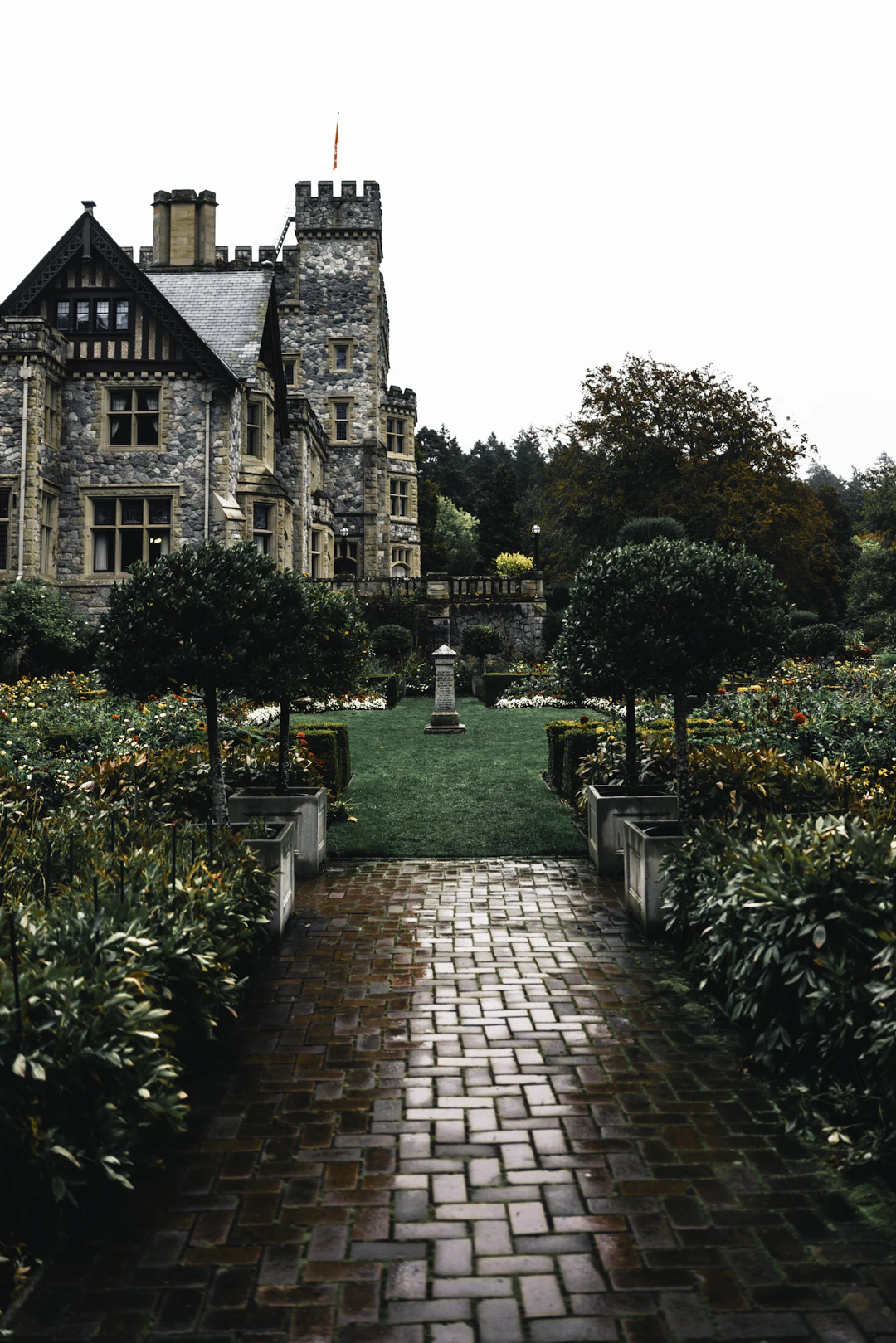
Brick is another popular option due to its elegance and longevity. Available in various colors and styles, brick can enhance any outdoor design—from traditional to modern hardscaping in Victoria. It's particularly favored for patios and walkways because it provides good traction, making it safe in inclement weather.
Concrete
Concrete is a highly versatile and cost-effective material for hardscaping. It can be poured, stamped, or molded into any shape you desire, allowing for endless design possibilities. Concrete is especially great for custom patios in BC as it can mimic the look of stone or brick without the associated cost.
Pavers
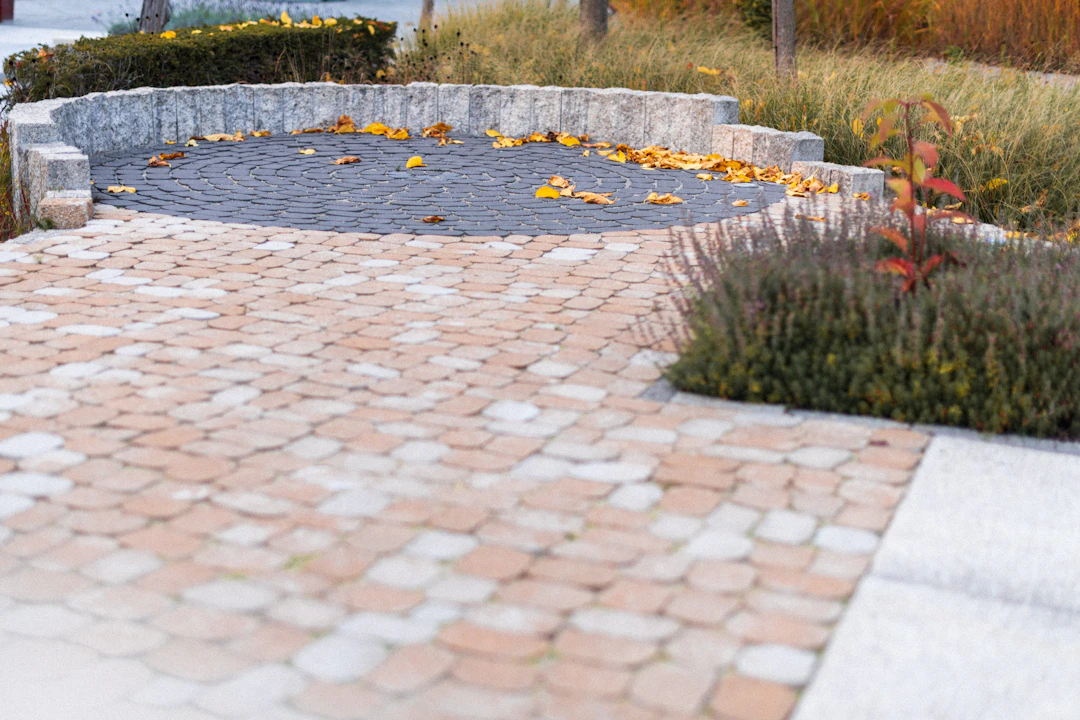
Paver stones are an excellent alternative, providing the look of natural stone with the convenience of easy installation and maintenance. They come in a variety of colors, shapes, and sizes, making them suitable for driveways, patios, or walkways. Their interlocking design also ensures stability and durability, essential for any outdoor living space.
Consider Local Climate
While selecting materials, consider the climate in your area. For example, Victoria's unique climate can affect material performance. It’s crucial to think about factors like moisture, temperature changes, and rainfall. Certain materials may be prone to degradation if not suited for your local environment, which can lead to increased maintenance and replacement costs.
Factor In Functionality
Each area of your outdoor space will serve different functions. Therefore, you must choose materials based on usability. For instance:
Outdoor Kitchens: For areas with cooking features, choose materials that can withstand heat and moisture.
Pathways: Select slip-resistant surfaces, ensuring safety during wet conditions.
Garden Borders: Aesthetic options like decorative stonework can enhance visual appeal while providing structural support.
Understanding the expected use of each hardscape feature will guide you to the right material choice.
Maintenance Trends to Consider
Materials also differ in how much upkeep they require. Natural stone, while beautiful, may need sealing against stains, while concrete is relatively low-maintenance. Research the long-term care involved with each material to ensure your choice aligns with your lifestyle and preferences.
The Cost-Benefit Analysis
While some materials may have a higher initial cost, they may offer greater durability and lower maintenance needs in the long run. Always gauge your budget against the long-term benefits of each material. Natural stone may have a higher upfront cost but provide stunning aesthetics and longevity, while concrete may attract lower expenses but may not age as beautifully.
Color and Texture: Aesthetic Considerations
The color and texture of hardscaping materials significantly influence your outdoor living design. Consider how your choices will complement or contrast with your home’s exterior and surrounding landscape. Neutral tones work well for a cohesive look, while bolder colors can create striking focal points within your design.
Seamless Integration with Softscaping
To truly elevate your outdoor living design, consider how your hardscaping integrates with softscaping elements, like plants and flowers. A great way to achieve this is by creating natural transitions between hard and soft materials. For additional insights on how to mix hardscaping with softscaping effectively, explore this resource.
Creating Zones
Creating designated zones within your outdoor space using different hardscape materials can enhance functionality and aesthetics. This approach allows you to segment your garden, dining areas, and lounging spaces—you can even mix textures like paved patios with gravel walkways for added interest.
Embrace Sustainable Practices
When choosing materials, consider eco-friendly options whenever possible. Recycled materials, permeable pavers, and sustainably sourced stones not only help the environment but can also bring a unique look and feel to your design. Incorporating local materials is another way to ground your design in the surrounding landscape, reflecting the local vibe and reducing transportation impacts.
More Considerations for Modern Hardscaping
As you explore modern hardscaping in Victoria, keep an eye on trends and innovative designs. Features like outdoor kitchens and fire pits are becoming increasingly popular, integrating social elements into outdoor living spaces. Tailoring your hardscaping choices to accommodate these modern trends can significantly improve the usability and appeal of your outdoor areas.
Outdoor Lighting
A critical aspect often overlooked in hardscaping design is outdoor lighting. Proper illumination not only enhances safety but can also create an enchanting atmosphere during evening gatherings. Explore options such as LED path lights and embedded lighting for added sophistication. For further guidance on outdoor lighting, refer to this insightful blog post.
Final Thoughts: Unlock Your Outdoor Oasis
Choosing the right materials for your hardscaping project can significantly influence the overall aesthetic and functionality of your outdoor space. From natural stone to sustainable options, each material offers unique advantages that can cater to your individual needs. As you embark on this journey to enhance your outdoor living design, stay informed and consider all factors from beauty to practicality. You’ll unlock the true potential of your garden or yard, creating an inviting oasis that reflects your style and lifestyle.
FAQs
What is hardscaping?
Hardscaping refers to the non-plant elements of landscape design, including features like patios, walkways, and retaining walls.
Why is material choice important in hardscaping?
Choosing the right materials affects the visual aesthetics, functionality, durability, and maintenance of your hardscaping project.
What are some popular hardscaping materials?
Some popular hardscaping materials include natural stone, brick, concrete, and paver stones.
How does local climate affect hardscaping material selection?
Local climate can affect material performance, so it's important to consider factors like moisture and temperature changes when selecting materials.
What are some maintenance considerations for hardscaping materials?
Different materials require varying levels of maintenance; for example, natural stone may need sealing against stains, while concrete is relatively low-maintenance.
Comments