Transform Your Outdoors: An Introduction to Modern Hardscaping in Victoria B.C.


Overview
Modern hardscaping enhances outdoor spaces by incorporating non-plant elements like patios, pathways, and water features. It offers aesthetic appeal, low maintenance, increased property value, and maximizes usable space. Key trends include sustainable materials, integrated lighting, and multi-functional designs. For homeowners in Victoria, BC, blending hardscaping with local flora is essential for a cohesive look. Embracing modern hardscaping can transform your outdoor living area into a beautiful sanctuary.
Contents
Modern hardscaping has revolutionized the way we think about outdoor spaces, particularly in beautiful locations like Victoria, B.C. Hardscaping, which involves the use of non-plant elements in landscape design, brings a unique aesthetic and functional appeal to properties. As homeowners increasingly look to enhance their outdoor living areas, understanding the principles of modern hardscaping becomes essential. In this blog, we'll delve into what modern hardscaping entails, its benefits, and why it is a must for your outdoor living design.
What is Modern Hardscaping?
At its core, modern hardscaping refers to the design and installation of hard materials in outdoor spaces. This can include:
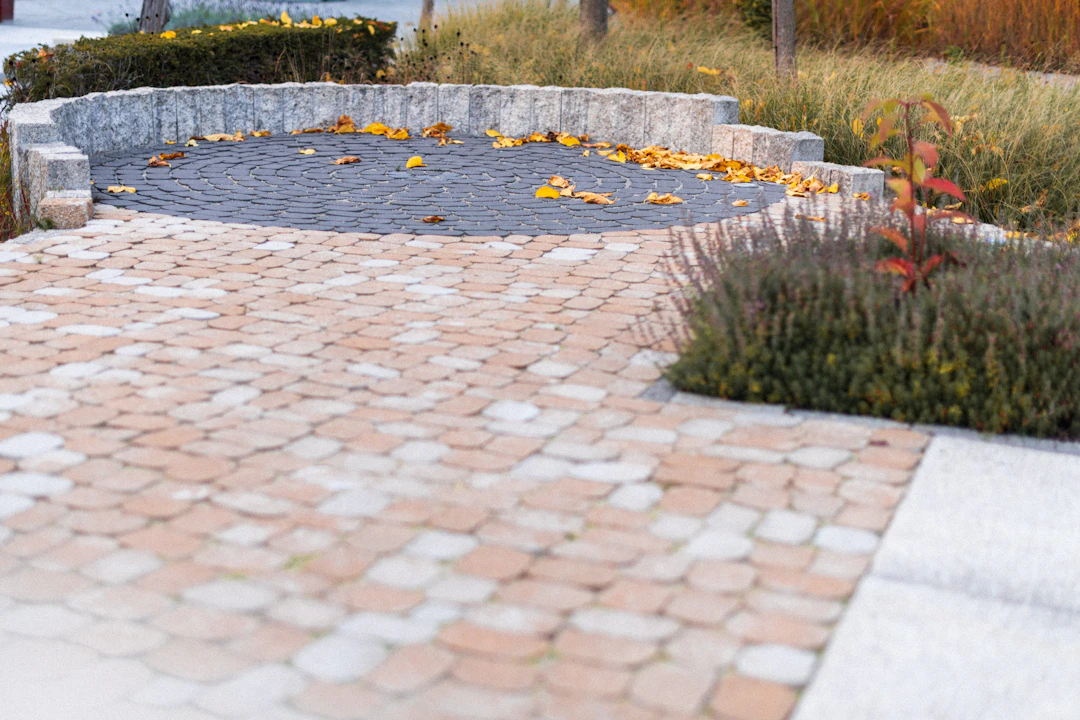
Pavements and pathways
Patios
Walls and fences
Decks
Water features
Outdoor kitchens
Modern hardscaping aims to create visually appealing designs that enhance functionality while promoting an outdoor lifestyle. In Victoria, B.C., where the natural beauty is abundant, incorporating hardscaping elements can harmonize with the environment, offering a seamless blend of landscape and architecture.
The Benefits of Modern Hardscaping
Investing in modern hardscaping provides numerous advantages. Here are some compelling reasons to elevate your outdoor living design:
1. Enhanced Aesthetic Appeal
Hardscaping enhances the beauty of gardens and outdoor spaces. Choosing the right materials, colors, and textures can create elegant and inviting areas that complement your home’s style. Whether it’s a custom patio or a chic stone pathway, hardscaping adds character that plants alone cannot achieve.
2. Low Maintenance Requirement
Unlike softscaping, which requires regular upkeep, hardscaping elements can significantly reduce the maintenance needed for your outdoor areas. Materials like stone, brick, and concrete are durable and weather-resistant, making them an ideal choice for a long-term investment.
3. Increased Property Value
Incorporating modern hardscaping features can enhance your home’s value. Properties with well-designed outdoor living spaces often appeal to potential buyers, presenting opportunities for higher selling prices. For more information on transforming your home's value, explore this guide.
4. Maximized Usable Space
Hardscaping effectively creates usable outdoor areas that can be enjoyed throughout the year. Features like patios or outdoor kitchens expand your living space, allowing for more opportunities to entertain or relax outdoors.
Design Elements in Modern Hardscaping
Several key elements are involved in modern hardscaping that homeowners in Victoria should consider:
1. Custom Patios
Custom patios are one of the most popular hardscaping features. They provide a solid foundation for outdoor furniture and dining setups, creating the perfect area for gatherings. The design can be tailored to fit your personal taste and the size of your garden. Choosing appropriate materials like stone or pavers adds a unique touch to your custom patios in BC.
2. Walkways and Paths
Establishing clear paths through your garden can improve accessibility and enhance overall design. Walkways can be composed of various materials such as gravel, flagstone, or decorative concrete, allowing you to create a look that suits your style. Effective path design helps guide guests through your outdoor living spaces.
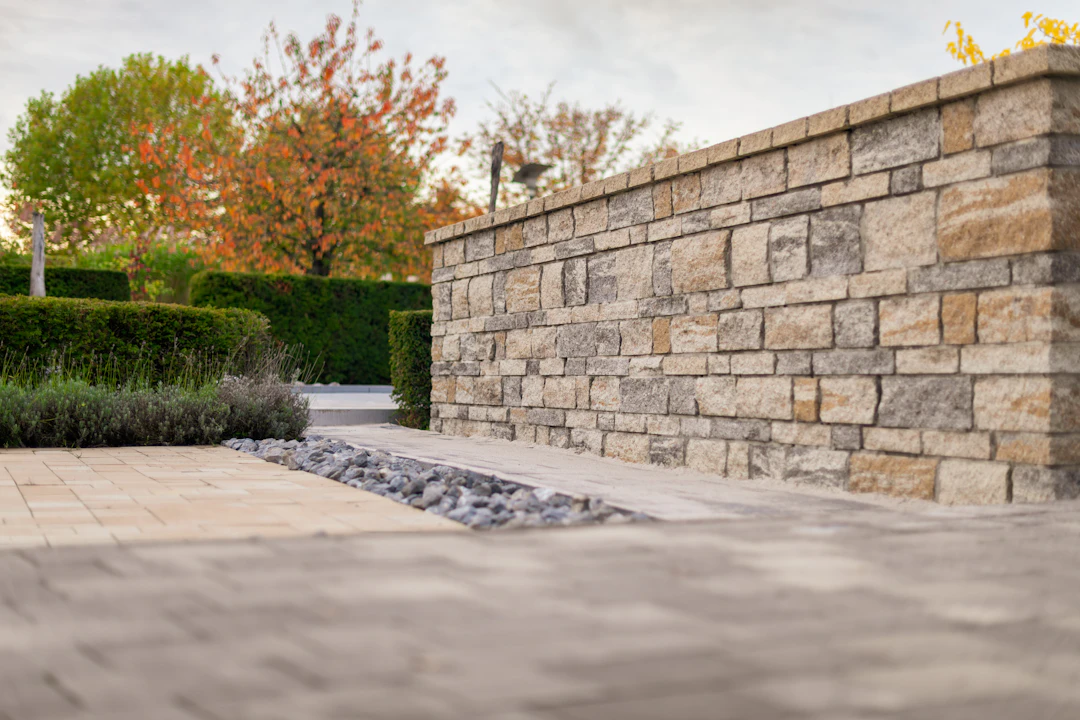
3. Retaining Walls
These walls not only serve a functional purpose but also help define different zones in your outdoor area. They can be used to create terraces or raised gardens and can use materials that complement your hardscaping features.
4. Water Features
Incorporating water features like fountains or ponds can be a stunning addition to your hardscape. These elements add an atmosphere of serenity and tranquility to any outdoor space, making it more inviting to enjoy.
5. Outdoor Kitchens
Your outdoor kitchen is an extension of your indoor cooking space. It allows for entertainment and culinary enjoyment in a beautiful outdoor setting. As seen in the guide on outdoor kitchens, these elements are becoming increasingly essential for modern homes.
What’s Trending in Modern Hardscaping?
Staying up-to-date with trends in hardscaping can help you make informed decisions for your outdoor living design. Here are some of the popular trends making waves in Victoria:
Sustainable Materials: Homeowners are leaning towards eco-friendly materials that minimize environmental impact.
Integrated Lighting: Outdoor lighting helps create ambiance and can highlight the best features of your hardscape.
Textural Variety: Mixing materials such as wood, stone, and metal adds depth and interest to your designs.
Multi-Functional Spaces: Designing spaces that serve multiple purposes, such as combining a fire pit with a seating area, is becoming increasingly popular.
Local Considerations for Hardscaping in Victoria
Victoria's unique climate and local flora should be considered when planning your hardscape projects. Given the rainy winter months, using materials that can withstand wet conditions is essential. Opting for finishes that provide traction will enhance safety during the wet season.
Moreover, integrating local plants into your designs can create a more cohesive look. It’s vital to choose plants that thrive in Victoria's climate while also complementing your hardscaping choices. For tips on how to harmoniously blend flora with hardscaping elements, check out this insightful blog.
Integrating Hardscaping with Softscaping
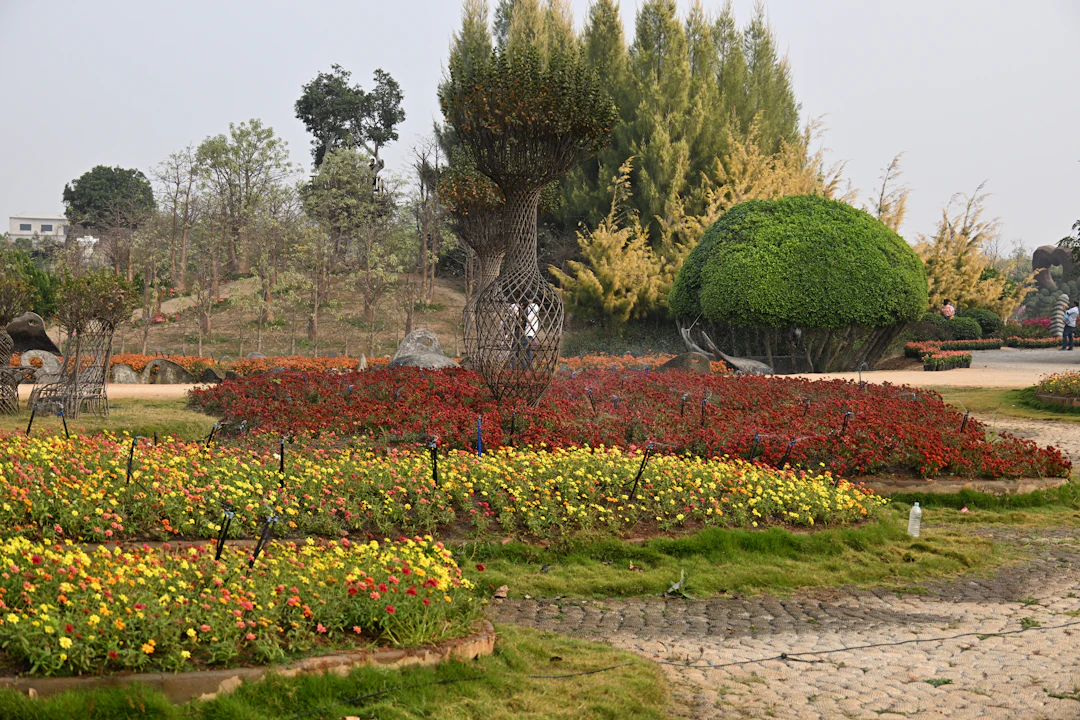
To achieve a balanced outdoor space, blending hardscaping with softscaping is essential. Combining the durability of hard materials with the softness of plants creates a visually appealing environment that feels both inviting and practical. Softscaping can refer to the living components of landscape design, such as grass, trees, and shrubs. Here are some ways to effectively integrate both:
Use plant beds to soften the edges of hardscaping elements, like patios or pathways.
Strategically plant greenery that enhances hard surfaces while providing shade and visual interest.
Create focal points with larger plants or trees near hardscape features, establishing a beautiful contrast.
Your Next Step Towards Outdoor Greatness
Embracing the concepts of modern hardscaping is your key to creating the outdoor sanctuary you've always dreamed of. With the right designs, materials, and professionals, you can transform your patio, pathways, and gardens into stunning outdoor living spaces that reflect your lifestyle. Whether you’re exploring custom patios in BC, effective outdoor kitchens, or embracing new trends, your hardscaping journey starts today!
Don’t wait any longer to elevate your home’s exterior charm; get started on your hardscaping projects and watch as your property transforms into a beautiful outdoor haven!
FAQs
What is modern hardscaping?
Modern hardscaping refers to the design and installation of hard materials in outdoor spaces, such as pavements, patios, walls, decks, and outdoor kitchens.
What are the benefits of modern hardscaping?
The benefits include enhanced aesthetic appeal, low maintenance requirements, increased property value, and maximized usable space for outdoor activities.
How can hardscaping enhance my property value?
Incorporating modern hardscaping features can appeal to potential buyers and create an attractive outdoor living area, often leading to higher selling prices.
What should I consider for hardscaping in Victoria, B.C.?
You should consider the local climate, using materials that withstand wet conditions, and integrating local plants to create a cohesive look.
How can I integrate hardscaping with softscaping?
You can blend hardscaping with softscaping by using plant beds to soften hard edges, strategically planting greenery for shade and interest, and creating focal points with larger plants.
Comments