Hardscaping vs. Softscaping: What You Need to Know


Overview
Hardscaping and softscaping are essential elements of landscape design. Hardscaping includes non-plant features like patios, walkways, and walls that enhance functionality and aesthetics. Softscaping involves plants and organic elements that add color and life. A successful outdoor space balances both, maximizing beauty and utility while improving property value. Key strategies include choosing complementary materials, strategic plant placement, and integrating lighting. Understanding these concepts can help create a personal outdoor oasis.
Contents
In the world of landscape design, two terms often arise that are crucial for transforming any outdoor area into a personal paradise: hardscaping and softscaping. Understanding the differences between these two concepts can help you make informed decisions regarding your outdoor living design. Whether you're a homeowner looking to enhance your garden or a property manager striving to boost curb appeal, knowing the ins and outs of hardscaping and softscaping is essential.
What is Hardscaping?
Hardscaping refers to the non-plant elements of landscape design that contribute to the functionality and aesthetics of outdoor spaces. Common hardscaping features include:
Patios and Decks
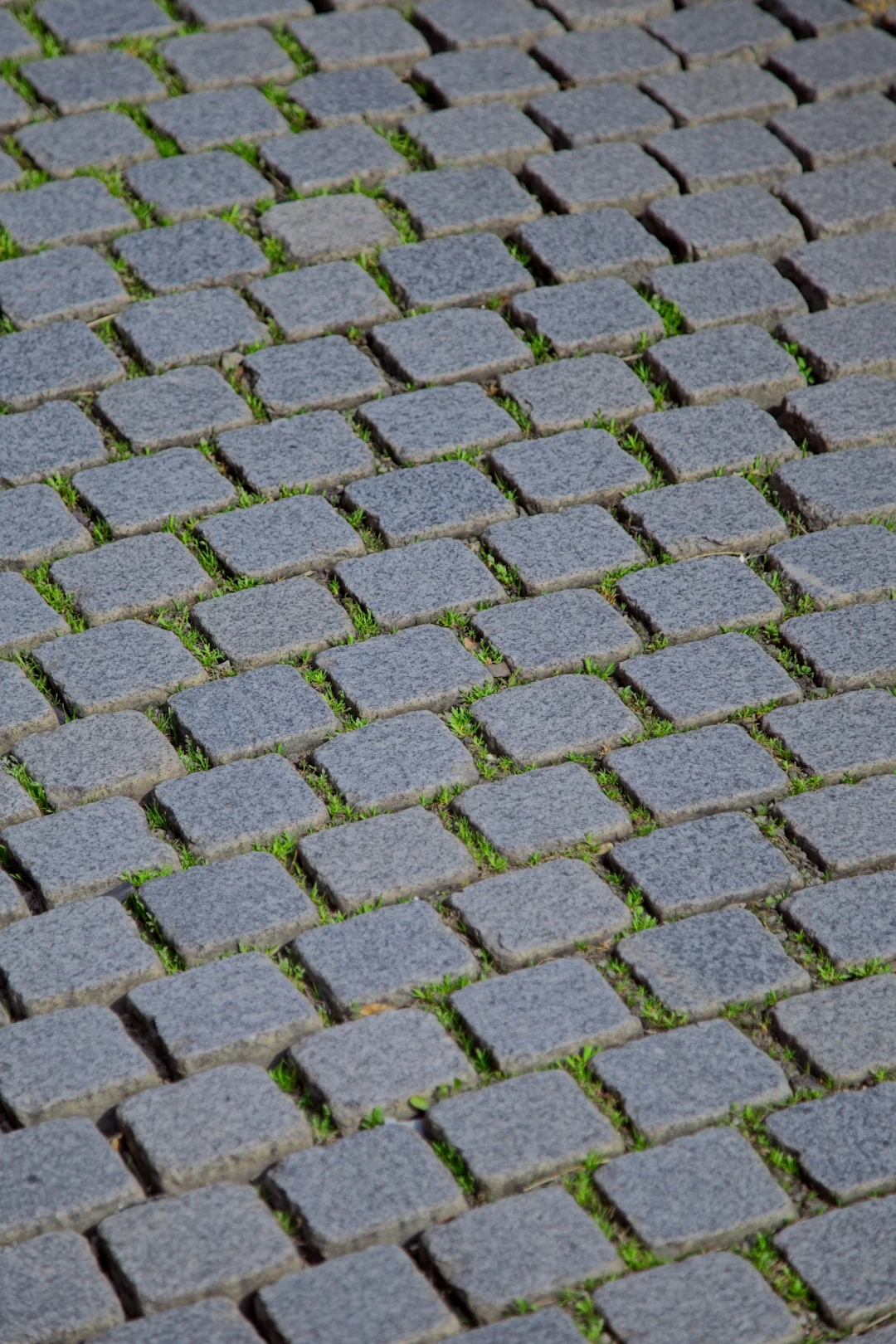
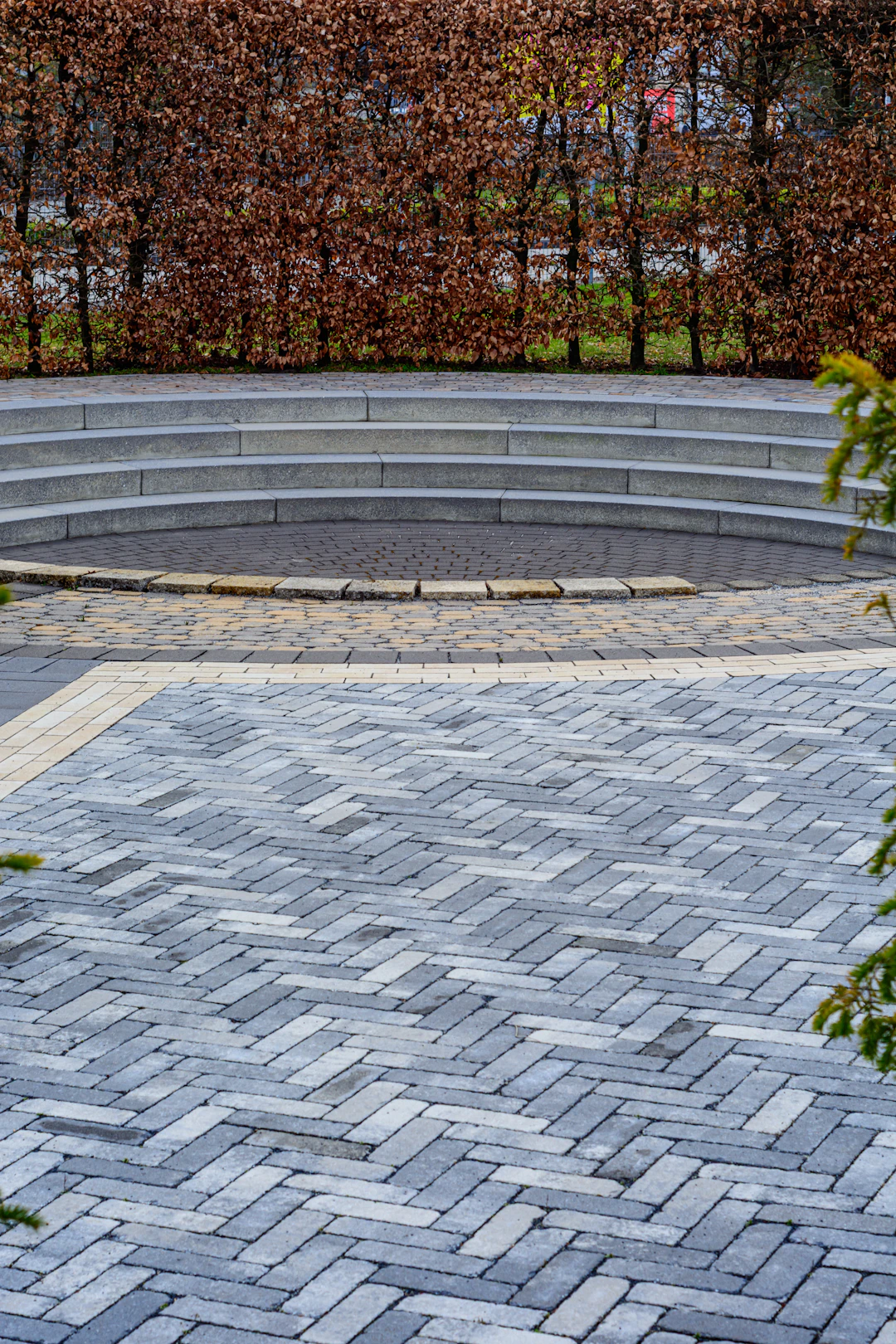
Walkways and Pathways
Retaining Walls
Driveways
Fences and Trellises
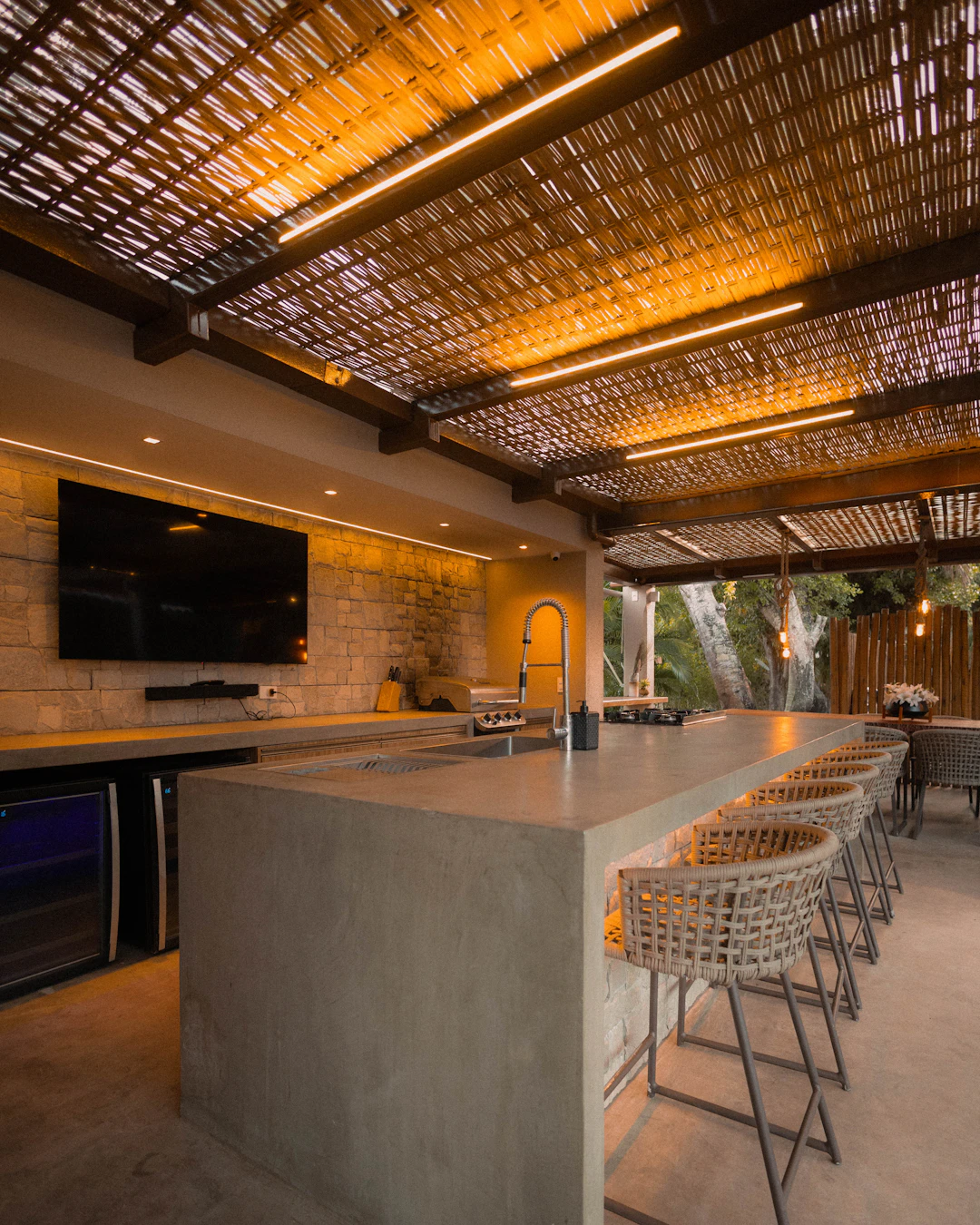
Fire Pits and Outdoor Kitchens
Modern hardscaping in Victoria seamlessly integrates durable materials such as stone, brick, concrete, and wood to create visually appealing structures that serve practical purposes. Hardscaping elements are designed to withstand the elements, providing long-lasting functionality while adding value to your property.
What is Softscaping?
In contrast, softscaping encompasses all the plant and organic elements in landscaping. This includes flowers, shrubs, trees, grass, and soil. The main goals of softscaping are to introduce color, texture, and life to your outdoor space. Think of softscaping as the finishing touch that softens the edges of hardscaping features.
Softscaping is essential for:
Adding Natural Beauty
Improving Air Quality
Providing Shade and Habitat for Wildlife
Enhancing Curb Appeal
Creating a Relaxing Atmosphere
The Importance of Harmonic Integration
The true art of landscape design lies in the ability to harmoniously blend hardscaping and softscaping elements. Integrating these two components not only elevates the aesthetic appeal of your property but also maximizes its functionality. Here are a few strategies to consider:
Choose Complementary Materials: Opt for hardscaping materials that harmonize with the natural landscape or surrounding architecture.
Strategic Plant Placement: Ensure that the location of plants complements hardscaping features, avoiding overcrowding.
Layout and Design: Create pathways that lead to outdoor living spaces, integrating soft elements along the way for a smooth transition.
For more tips on how to effectively mix hardscaping with softscaping, check out this insightful blog post: Mixing Hardscaping With Softscaping Best Approaches To Elevate Your Outdoor Living Design.
Benefits of Hardscaping
Now that we understand what hardscaping and softscaping entail, let's delve deeper into the specific benefits that hardscaping offers:
1. Low Maintenance
One of the primary advantages of hardscaping is its low maintenance requirements. Unlike softscaping, which demands regular watering, mowing, and pruning, hardscaping structures require minimal upkeep. You'll spend less time on yard work, providing you with more time to enjoy your outdoor living space.
2. Longevity and Durability
Hardscaping materials, such as stone and concrete, are designed to last for years to come. Once installed, they can withstand varying weather conditions, ensuring that your investments will not deteriorate quickly. This durability makes hardscaping ideal for patios and walkways, especially in areas of high foot traffic.
3. Expanding Usable Space
Hardscaping adds functional areas to your outdoors, allowing for more versatile usage. Features such as patios, decks, and outdoor kitchens can enhance your functionality and create spaces for social gatherings, family outings, or even peaceful moments of solitude.
4. Property Value Enhancement
Homes that feature well-designed hardscaping elements often see an increase in property value. A beautifully constructed patio, for example, can be a key selling point, enhancing the overall appeal of your home. This is particularly true in regions like Victoria, where modern hardscaping is sought after.
The Advantages of Softscaping
Just as hardscaping contributes significantly to outdoor design, softscaping carries its own set of benefits:
1. Ecological Benefits
Softscaping plays an essential role in the ecosystem, benefiting not only the aesthetic appearance of your garden but also the environment. Plants absorb carbon dioxide and produce oxygen, improving air quality. Additionally, they provide habitat for local wildlife, adding to biodiversity.
2. Temperature Regulation
Strategically placed trees and shrubs provide shade and help reduce the ambient temperature around your home, making it more comfortable during warmer months. This can also lead to lower energy costs as the heat of the sun is blocked from your living spaces.
3. Seasonal Change
With softscaping, you can enjoy seasonal diversity—all as the flowers bloom and trees shed their leaves in autumn. This constant change breathes life into your outdoor design and keeps it engaging all year round.
4. Aesthetic Value
Softscaping adds color and texture that are vital for an inviting outdoor space. Flowers, shrubs, and trees can create focal points and can be customized to align with your personal preferences and style.
Choosing the Right Balance
The ultimate goal of landscape design is to strike the right balance between hardscaping and softscaping. This relationship ensures your outdoor area is not only functional and aesthetically pleasing but also sustainable. Factors to consider while finding the perfect balance include:
Your personal style and preferences
The climate and environment of your region
The intended use of your outdoor space
Maintenance requirements and the time you have to dedicate to it
A well-planned outdoor space that incorporates both hardscaping and softscaping can be the perfect setting for family gatherings, entertaining guests, or simply enjoying a quiet evening under the stars. If you're interested in creating your dream outdoor living space, this resource can guide you: Creating Your Dream Outdoor Living Space The Art Of Design.
Making Hardscaping and Softscaping Work
To achieve a cohesive outdoor space that fosters relaxation and enjoyment, it’s essential to ensure that hardscaping and softscaping complement each other. Here are some strategies to harmonize these essential components:
1. Use Color Schemes Wisely
Choosing plants that contrast or complement the hardscaping materials creates a balanced look. Neutral hardscaping allows colorful plants to shine, whereas vibrant hardscaping can benefit from softer, more subdued plant colors.
2. Incorporate Natural Elements
Natural stones or wood features can serve to soften the hard surfaces in your outdoor area. This creates a more organic flow and connection between various parts of the landscape design.
3. Integrate Lighting
Using outdoor lighting can illuminate both hard and softscaping features, creating a magical ambiance during the night. Highlighting paths, patios, or particular plants can make your outdoor space enjoyable after sundown.
4. Create Functional Spaces
Consider how hardscaping can define and enhance softscaping features. For instance, a curved walkway can lead to a flower bed, guiding the visitor and providing a tactile, engaging experience when navigating the space.
A Thought to Leave You With
Understanding the balance between hardscaping and softscaping can transform an ordinary yard into an extraordinary outdoor living design. By integrating both elements, you can create an inviting and functional space that reflects your personal style while enhancing property value. So as you begin or continue your landscaping journey, remember that the ideal outdoor space should feel inviting, tell a story, and create a personal sanctuary. With the right planning and a dash of creativity, your outdoor oasis is just a project away!
FAQs
What is hardscaping?
Hardscaping refers to the non-plant elements of landscape design, such as patios, walkways, retaining walls, and fences, that contribute to the functionality and aesthetics of outdoor spaces.
What is softscaping?
Softscaping encompasses the plant and organic elements in landscaping, including flowers, shrubs, trees, and grass, which add color, texture, and life to outdoor spaces.
How can hardscaping benefit my property?
Hardscaping offers several benefits including low maintenance requirements, durability, expanded usable space, and potential enhancement of property value.
What advantages does softscaping provide?
Softscaping provides ecological benefits, temperature regulation, seasonal diversity, and aesthetic value that contribute to an inviting outdoor environment.
How do I achieve the right balance between hardscaping and softscaping?
To find the right balance, consider your personal style, the climate of your region, the intended use of the space, and the maintenance requirements.
Comments