Nature Meets Function: Incorporating Natural Elements into Hardscaping Designs


Overview
Integrating natural elements into hardscaping designs enhances outdoor spaces' beauty and functionality. Key elements include stone features, water elements, plant life, organic textures, and natural pathways. Employ design approaches like layering, creating zones, and using patterns to achieve a harmonious blend. Sustainable practices and local materials are emphasized, particularly in modern hardscaping trends in Victoria. Balancing hardscaping and softscaping can transform your outdoor area into a tranquil retreat or vibrant gathering spot.
Contents
The integration of natural elements into hardscaping designs has become a popular trend in outdoor living design. With the rise of modern hardscaping in Victoria, homeowners are looking for ways to enhance their outdoor spaces while keeping the beauty of nature at the forefront. By seamlessly blending natural elements with durable structures, one can create a tranquil retreat that invites relaxation and enjoyment. In this article, we will explore various ways to incorporate nature into your hardscaping designs, enhancing both the aesthetic appeal and functionality of your outdoor spaces.
Understanding Hardscaping
Hardscaping refers to the non-plant elements of landscape design, which include materials such as stone, concrete, wood, and metal. These materials are utilized to create pathways, patios, walls, and other structures that define the boundaries and physical layout of an outdoor space. While hardscaping provides a functional framework, integrating natural elements can soften these surfaces, resulting in a harmonious and inviting outdoor environment.
Why Incorporate Natural Elements?
Incorporating natural elements into hardscaping designs not only enhances the visual appeal but also provides several additional benefits:
Creating Balance: The combination of hard materials with soft elements helps establish balance within your outdoor space.
Improving Aesthetics: Natural materials add texture, color, and warmth, creating inviting areas that attract people.
Enhancing Sustainability: Using local materials and flora reduces environmental impact and creates a sense of place.
Boosting Property Value: Thoughtfully designed outdoor living areas can increase property value, making your space more attractive to potential buyers.
Key Natural Elements to Incorporate
When planning a hardscaping project, consider incorporating the following natural elements to elevate the design:
1. Stone Features
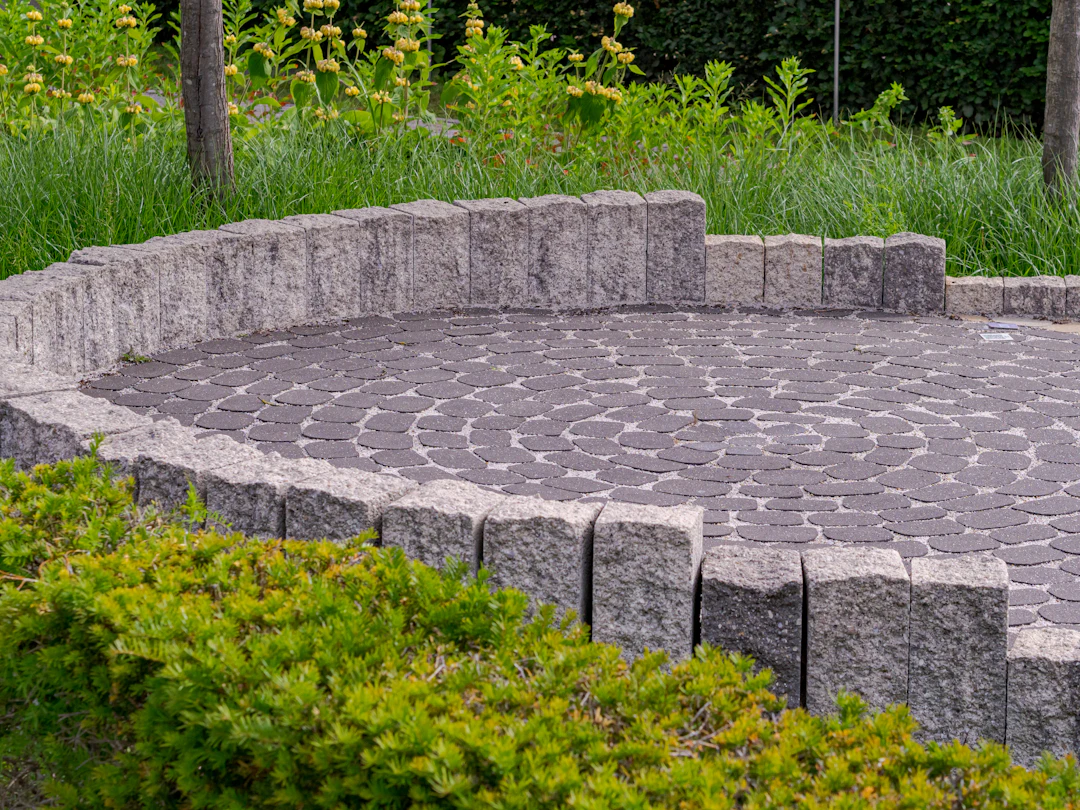
Using natural stone in your hardscaping can create stunning focal points. Options such as granite, slate, and limestone can be utilized for decorative walls, seating areas, and even pathways. Stone boulders can serve as natural seating or accent pieces, enhancing the rugged beauty of the landscape.
2. Water Elements
Integrating water features, such as fountains, ponds, or streams, provides a sense of tranquility and can attract wildlife. The sound of flowing water adds an auditory appeal, enhancing the overall experience of your outdoor space.
3. Plant Life
While hardscaping primarily involves non-plant elements, adding greenery is essential for a complete outdoor living design. Plant selections that complement hardscaping materials—such as succulents with stone paths or hardy perennials next to wooden structures—can soften harsh lines and add life to your environment. You might explore how to integrate local flora into your designs through informative sources like Embracing Nature.
4. Organic Textures
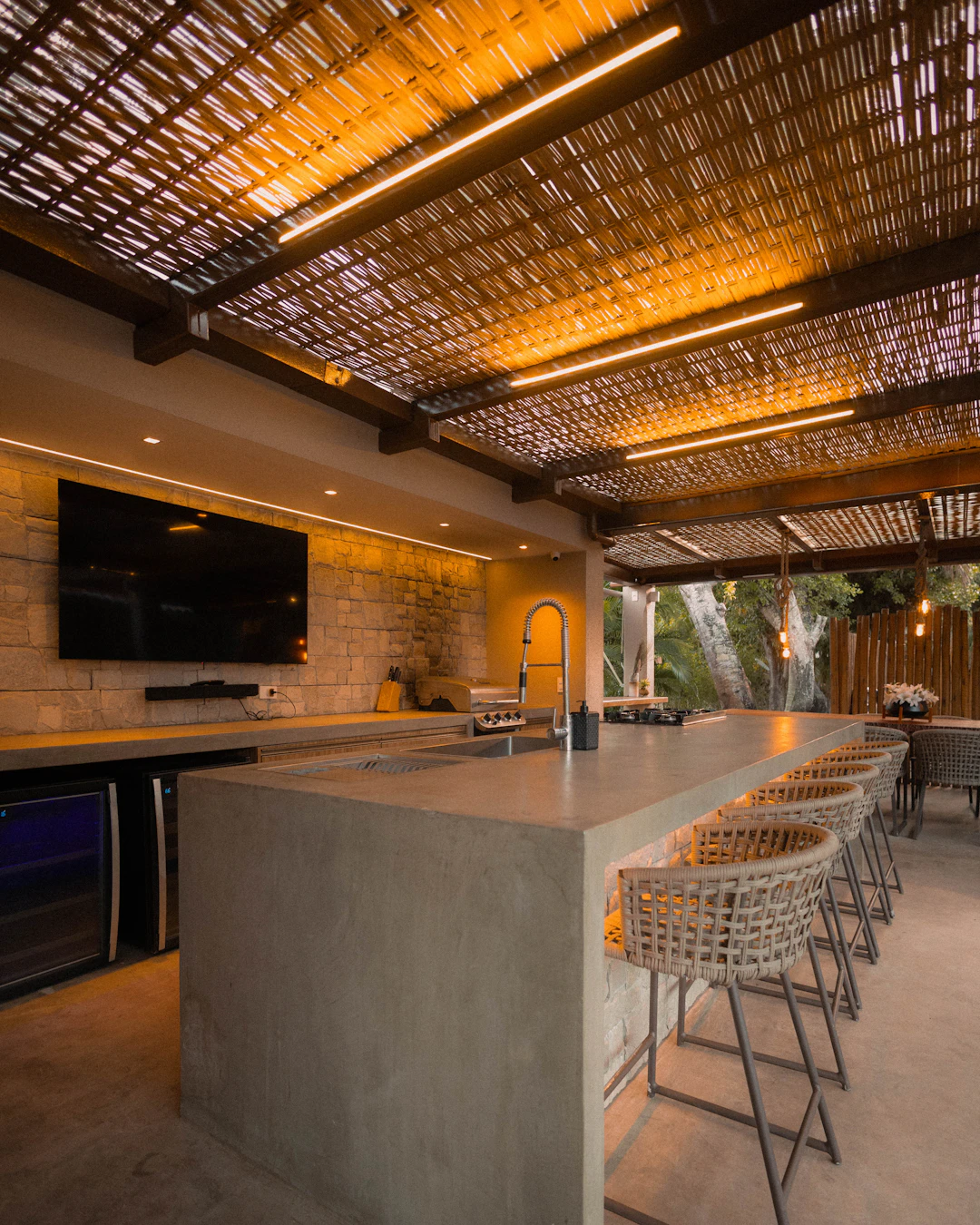
Incorporate natural materials like wood or bamboo for decking and furniture. These materials add warmth and organic textures, contrasting beautifully with stone and concrete. Additionally, using reclaimed wood provides both charm and sustainability.
5. Natural Pathways
Consider using gravel, decomposed granite, or flagstones for pathways. These materials not only blend well with the natural environment but also offer practical solutions for navigating your outdoor space. They can be lined with native plants, enhancing the interaction between hardscaping and nature.
Design Approaches for a Harmonious Blend
To maximize the impact of natural elements in your hardscaping designs, consider the following design approaches:
1. Layering Elements
Layering is a crucial design principle that can make your outdoor space feel more cohesive. For instance, layering various heights of plants with stone walls creates depth and visual interest. Use raised garden beds or terraces to articulate transitions in elevation.
2. Creating Zones
Define different zones within your outdoor space, like dining, relaxing, and gardening areas. Use hardscapes to delineate these areas while integrating natural elements, such as wooden trellises covered in climbing plants or a stone fire pit surrounded by lush landscaping.
3. Incorporating Patterns
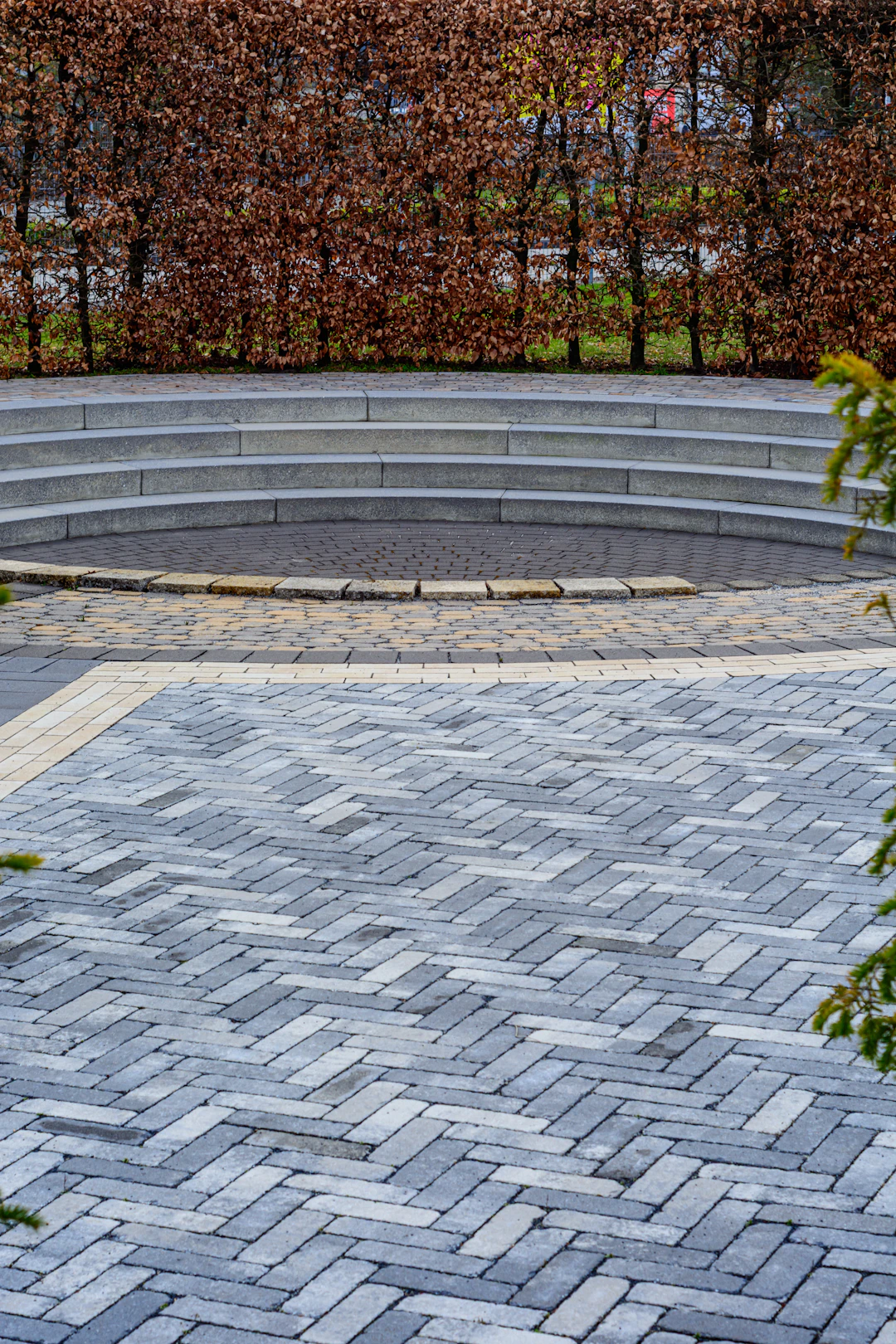
Utilize materials such as patterned pavers or arranged stone features to create dynamic movement across your landscape. Use these patterns in pathways that weave through your garden, connecting various elements meaningfully.
4. Emphasizing Natural Light
Consider orientation and sunlight when designing your space. Incorporating canopies, pergolas, or strategically placed trees allows for sun-dappled areas that contribute to a livable space. Beautiful lighting fixtures can further highlight these natural features, making your design functional both day and night.
Modern Hardscaping in Victoria
The trends in modern hardscaping Victoria are about creating functional outdoor spaces that resonate with the environment. The region's unique climate and native flora can deeply influence design elements. Homeowners are increasingly interested in sustainable options that tie in with the natural landscape. For example, incorporating rain gardens within hardscape designs can manage stormwater runoff and improve the health of local waterways, contributing to a more sustainable solution. If you want to dive deeper into the benefits of hardscaping, explore Unlocking Outdoor Potential.
Custom Patios in BC: A Space for All
Custom patios in British Columbia are an excellent opportunity to blend hardscaping styles with natural elements. Select materials that are local and sustainable, like basalt or sandstone, to create a unique texture and appeal. Specific designs, such as curved patios, can seamlessly integrate with the landscape, while also providing functional outdoor living areas that can be used for everything from quiet evenings to lively gatherings.
Tips for Balancing Hardscaping and Softscaping
Finding the right balance between hardscaping and softscaping can transform your outdoor space into paradise.
Choose Local Materials: Focus on locally sourced materials to reduce environmental impact and help your design feel native to the area.
Prioritize Functionality: Ensure that every hardscape element serves a purpose while still harmonizing with natural beauty.
Use Color Wisely: Select plants and materials that complement each other. Use earthy tones for hardscape elements and vibrant flora for layering.
Mind the Flow: Create seamless transitions between hardscape and softscape by ensuring pathways lead naturally into garden spaces.
Bringing Your Vision to Life
When executing a hardscaping project, the key is to create a vision rooted in both utility and beauty. Collaborating with professionals who specialize in outdoor living design can help you realize your dream space while ensuring that it fits harmoniously with the surrounding environment. You can visit platforms like Outdoor Living Design for more insights and ideas.
By incorporating natural elements into your hardscaping designs, you can create outdoor spaces that reflect your personality, embrace nature, and provide comfort year-round. Whether you're aiming for a serene retreat or an entertaining haven, the thoughtful mix of hardscaping with softscaping can lay the foundation for unforgettable memories in your own backyard.
Embrace the Journey: Let Nature Inspire Your Hardscaping Design!
FAQs
What is hardscaping?
Hardscaping refers to the non-plant elements of landscape design, which includes materials like stone, concrete, wood, and metal, used to create pathways, patios, walls, and other structures in outdoor spaces.
Why should I incorporate natural elements into my hardscaping designs?
Incorporating natural elements enhances visual appeal, creates balance, improves sustainability, and can boost property value by creating inviting outdoor spaces.
What are some key natural elements to include in hardscaping?
Key natural elements include stone features, water elements, plant life, organic textures, and natural pathways.
How can I create zones within my hardscaping design?
You can create zones by defining areas for dining, relaxing, and gardening using hardscapes, while integrating natural elements like wooden trellises or stone fire pits.
What tips can help balance hardscaping and softscaping?
Tips for balancing hardscaping and softscaping include choosing local materials, prioritizing functionality, using color wisely, and ensuring smooth transitions between hardscape and softscape.
Comments