The Role of Hardscaping in Sustainable Landscaping


Overview
Hardscaping is essential for enhancing outdoor spaces while promoting sustainability. This guide explores its importance, benefits like water conservation and reduced erosion, and modern techniques such as permeable paving and eco-friendly materials. It emphasizes integrating hardscaping with softscaping for a balanced design and offers maintenance tips for sustainable hardscapes. Overall, hardscaping contributes to creating functional, beautiful outdoor living areas that connect us to nature and support environmental stewardship.
Contents
When it comes to enhancing the aesthetic and functional aspects of outdoor spaces, hardscaping plays a pivotal role. As sustainability becomes increasingly significant in landscaping, understanding the contribution of hardscaping to sustainable landscaping is crucial. In this comprehensive guide, we’ll explore how modern hardscaping in Victoria can transform outdoor living designs while promoting eco-friendliness.
What is Hardscaping?
Hardscaping refers to the non-plant aspects of landscaping, such as patios, walkways, retaining walls, driveways, and other structures. It is an essential component of outdoor landscapes that helps define functionality and style. Unlike softscaping, which deals with plants and organic elements, hardscaping focuses on materials like stone, brick, concrete, wood, and metal.
The Importance of Hardscaping in Sustainable Landscaping
Hardscaping has various advantages that align well with sustainable landscaping practices. Here are some key benefits:
Water Conservation: Well-designed hardscapes can help manage water runoff and promote water conservation. By using materials that absorb water, such as permeable pavers, it allows rainwater to infiltrate into the ground and recharge local aquifers.
Reduced Erosion: Effective hardscaping can help prevent soil erosion. Retaining walls and terraces can stabilize slopes, allowing for better structuring of gardens and plant beds.
Energy Efficiency: Properly placed hardscape features can reduce energy consumption by blocking wind and providing shaded areas around homes.
Minimization of Maintenance: Modern hardscaping materials often require less maintenance than traditional landscaping options, which means lower resource use over time.
Modern Hardscaping Techniques
As demand for sustainable solutions increases, modern hardscaping has evolved to incorporate eco-friendly practices. These techniques extend beyond just aesthetics to include elements that enhance the landscape’s functionality. Here are some noteworthy trends in modern hardscaping in Victoria:
1. Permeable Paving
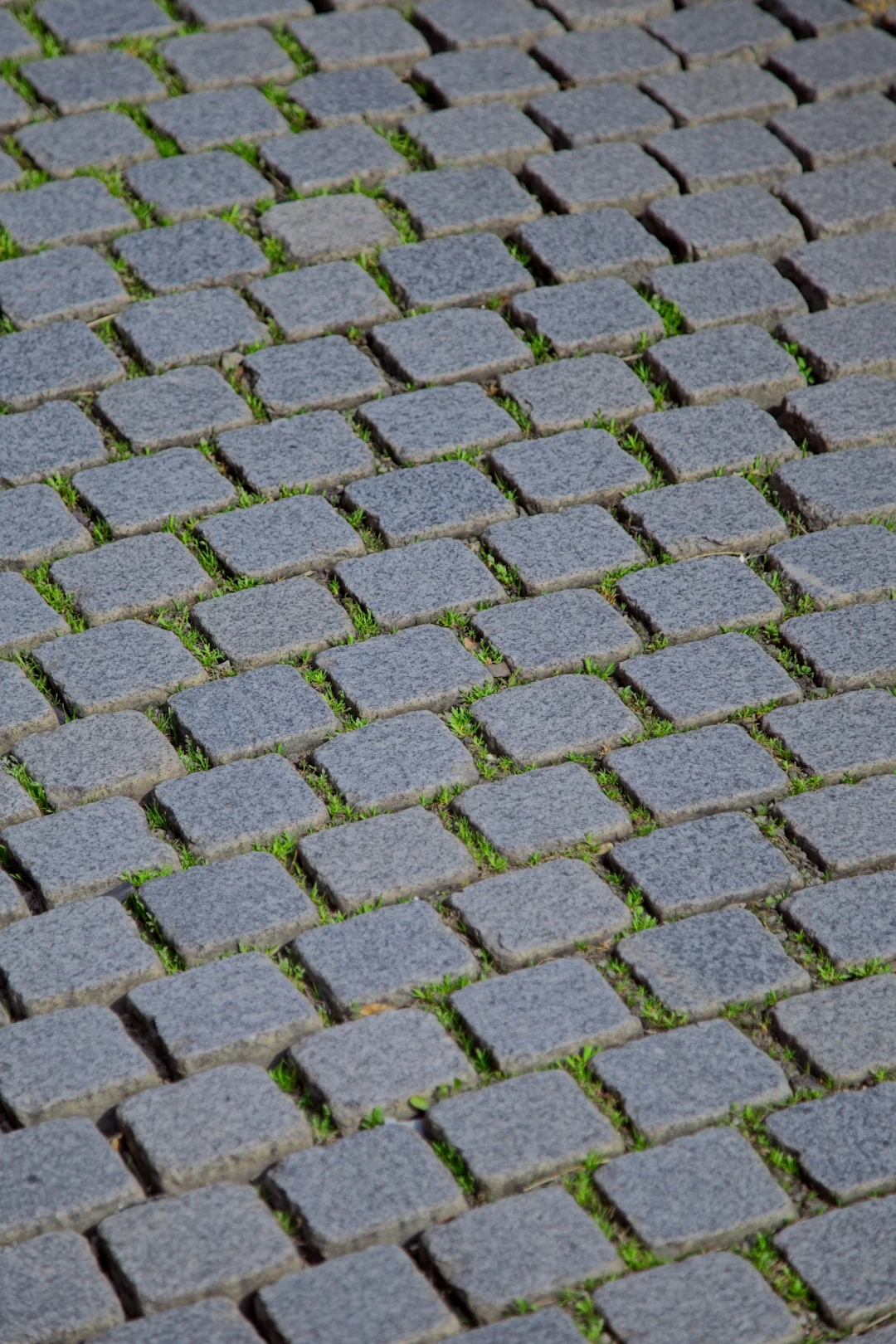
Permeable pavements are gaining popularity for their ability to handle stormwater runoff effectively. These paving options allow water to seep through to the ground below, reducing flooding and promoting groundwater recharge. Not only beneficial for sustainability, but they also offer various design possibilities for custom patios in BC.
2. Eco-Friendly Materials
Utilizing sustainable materials such as reclaimed wood or locally sourced stone minimizes the environmental footprint of hardscaping projects. By choosing materials thoughtfully, homeowners can create stunning outdoor spaces that reflect their commitment to sustainability.
3. Integration with Softscaping
Startegically blending hardscape with softscape elements leads to a harmonious design. For instance, planting native flora around stone walkways or patios enhances biodiversity and promotes a healthy ecosystem. Additionally, this mixture enhances outdoor living design by creating spaces that are not only visually appealing but also functional.
Hardscaping and Outdoor Living Spaces
Modern hardscaping plays a crucial role in shaping outdoor living environments. Features like patios, kitchens, and fire pits provide spaces for relaxation and entertainment. Let’s take a look at some essential hardscape components that enhance outdoor living:
Custom Patios
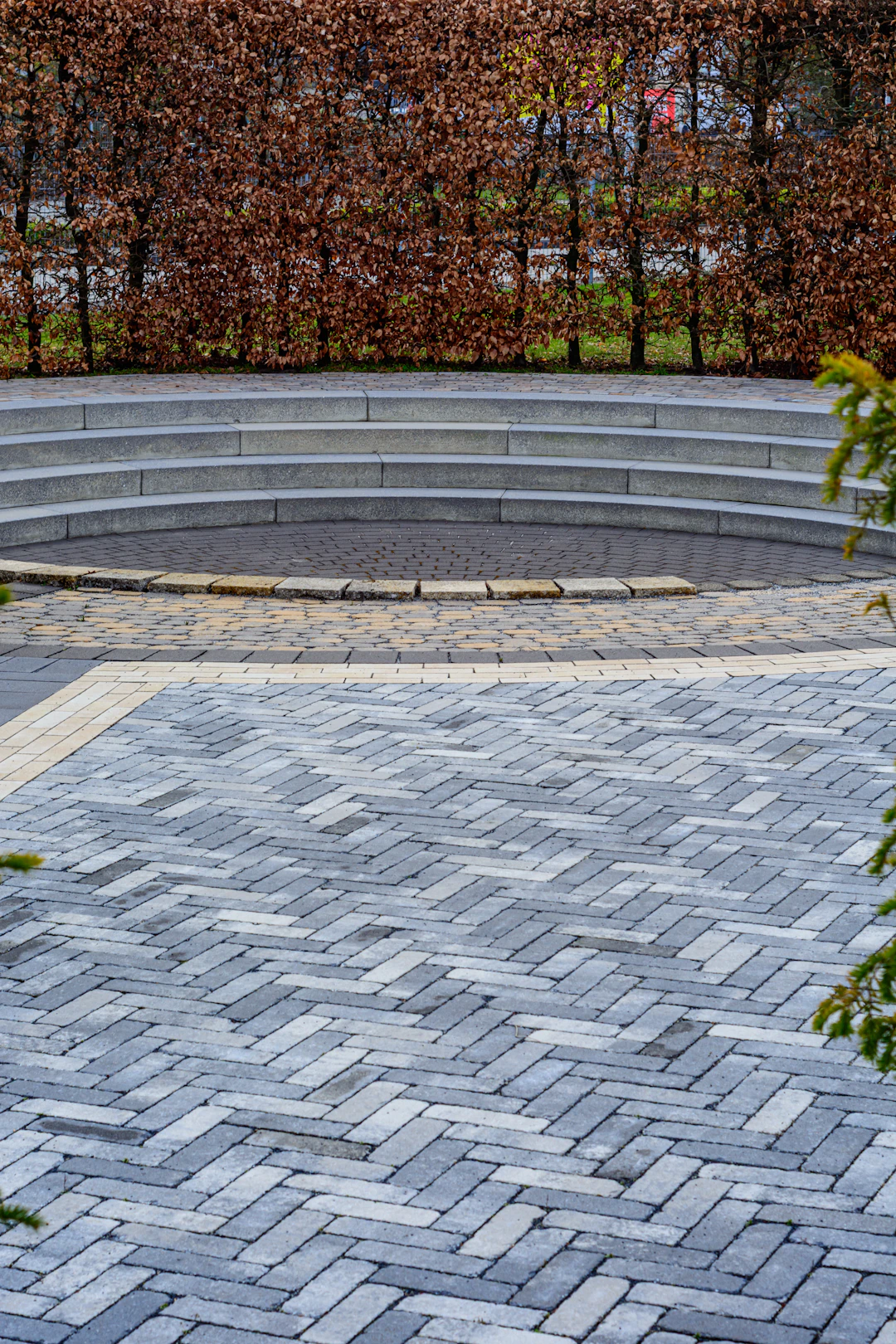
Custom patios in BC are a brilliant way to expand living space outdoors. They can serve as dining areas, lounges, or gathering spots for friends and family. When designed with sustainable practices in mind, patios can significantly enhance the overall appeal of your home and yard.
Outdoor Kitchens
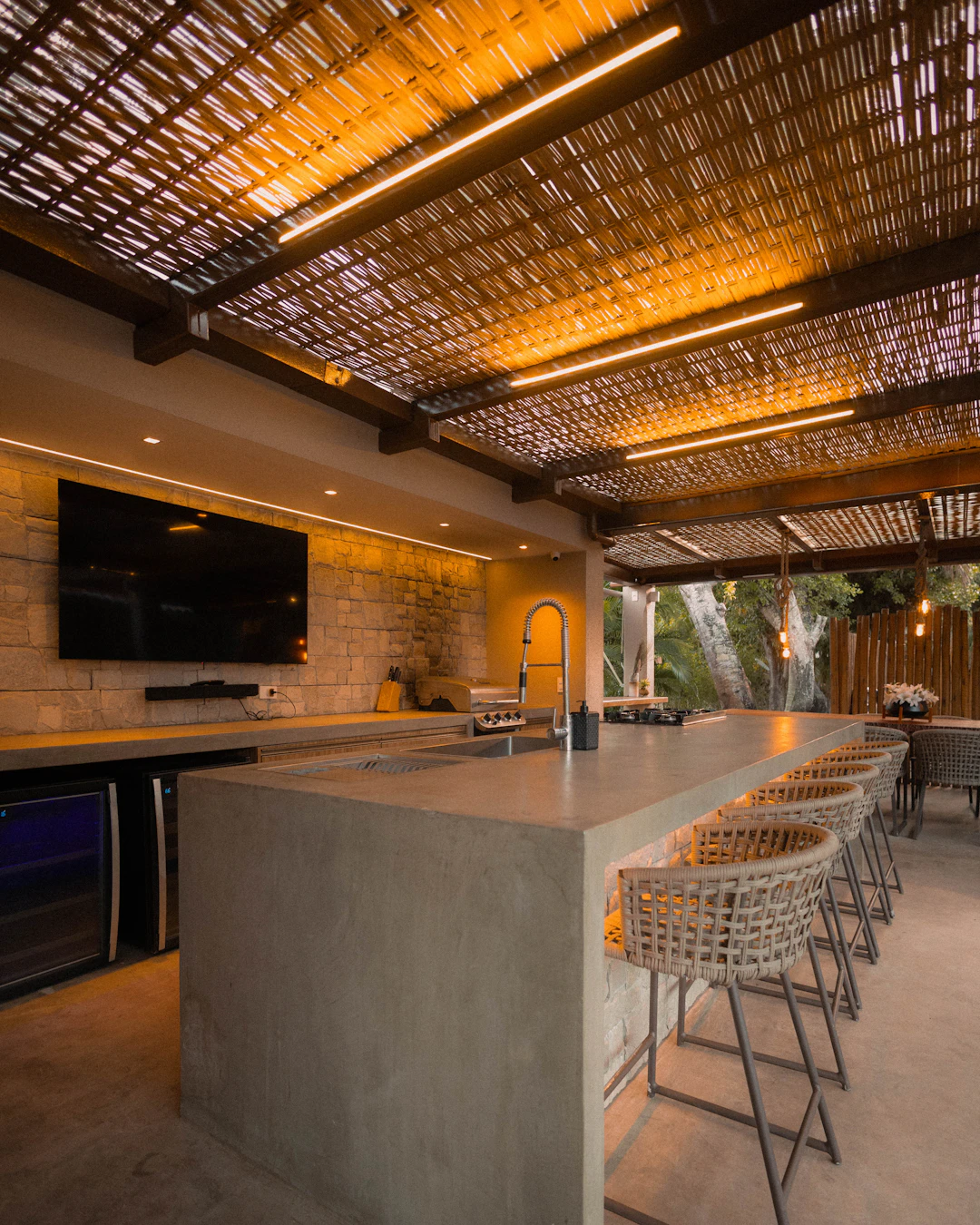
Outdoor kitchens are becoming an essential asset in modern homes. These features allow homeowners to cook and entertain outdoors, thus creating a seamless transition between the indoors and outdoors. By incorporating sustainable materials and energy-efficient appliances, outdoor kitchens can also minimize environmental impact.
Fire Pits and Seating Areas
Adding fire pits not only provides warmth during cooler months but also creates a cozy atmosphere for gatherings. Well-planned seating arrangements can enhance the comfort and usability of your hardscape, making outdoor spaces enjoyable year-round. These components deepen connections between nature and our daily lives, complementing the overall landscape design.
Maintenance Tips for Sustainable Hardscapes
Caring for hardscapes requires different maintenance practices than those used for softscaping. Here are some tips to help maintain sustainable hardscapes effectively:
Regular Cleaning: Sweep and wash hardscape surfaces regularly to remove debris and prevent stains. This is especially important for permeable pavers to ensure they continue functioning properly.
Sealants: Use eco-friendly sealants for stone surfaces to protect them while minimizing harmful run-off into local waterways.
Weed Management: Prevent weed growth between pavers through manual weeding or using mulch and landscaping fabric.
Realizing the Full Potential of Hardscaping
Incorporating hardscaping into landscaping isn’t just about functionality and aesthetics; it’s a celebration of our connection with nature. The marriage of hardscaping with sustainable practices exemplifies a commitment to preserving our environment. Homeowners can create beautiful, functional spaces that will benefit future generations.
To learn more about modern hardscaping trends and practices, be sure to explore Embrace the Outdoors and discover how to elevate your outdoor living spaces. This will provide you with valuable insights into crafting a sustainable landscape that meets your family’s needs. With the right hardscaping elements, your outdoor living design can become a serene retreat.
For those considering the integration of hardscaping into their landscaping designs, this journey is about more than just aesthetic enhancement. It’s about establishing a lifestyle rooted in sustainability and environmental stewardship while maximizing outdoor enjoyment. This practical approach ensures that everyone can embrace outdoor beauty, comfort, and sustainability.
Step into a Sustainable Future
Creating sustainable outdoor spaces through hardscaping is not just an endeavor; it’s an opportunity to connect with nature and contribute to a healthier environment. Understanding how to effectively incorporate modern hardscaping into your landscape allows you to craft a welcoming, eco-friendly outdoor living space. So, let’s step into a future filled with beauty, responsibility, and a commitment to sustainability. Expand your landscape vision today, and transform your outdoors while loving nature!
FAQs
What is hardscaping?
Hardscaping refers to the non-plant aspects of landscaping, including elements like patios, walkways, and retaining walls that define the functionality and style of outdoor spaces.
How does hardscaping contribute to sustainable landscaping?
Hardscaping contributes to sustainable landscaping by promoting water conservation, reducing soil erosion, enhancing energy efficiency, and minimizing maintenance needs.
What are some modern hardscaping techniques?
Modern hardscaping techniques include permeable paving, using eco-friendly materials, and integrating hardscape with softscape elements for a harmonious landscape.
What are the key components of outdoor living spaces enhanced by hardscaping?
Key components include custom patios, outdoor kitchens, and fire pits, which create functional and enjoyable outdoor areas for relaxation and entertainment.
What maintenance tips can help preserve sustainable hardscapes?
To maintain sustainable hardscapes, regularly clean surfaces, use eco-friendly sealants, and manage weed growth effectively.
Comments