Transform Your Outdoors: Using Hardscaping to Define Your Landscape


Overview
Integrating hardscaping into landscape design enhances outdoor spaces by providing structure, functionality, and visual appeal. Key benefits include durability, low maintenance, increased property value, and effective water management. Popular hardscaping elements like patios, walkways, and outdoor kitchens can transform your yard, while trends such as natural stone and curvilinear designs promote a modern aesthetic. Balancing hardscaping with softscaping is essential for a cohesive design.
Contents
When it comes to landscape design, the integration of hardscaping is a game changer. While softscaping focuses on the natural elements, such as plants, flowers, and trees, hardscaping introduces a structure that can brilliantly define outdoor spaces. This blog will take you through the essential aspects of modern hardscaping in Victoria, discussing how it can enhance your outdoor living design and the potential of custom patios in BC. So, let’s dive into the exciting world of modern hardscaping!
Understanding Hardscaping
Hardscaping refers to the non-plant elements of landscape design. This includes paths, walls, patios, decks, driveways, and any other elements that involve hard materials like stone, wood, and concrete. The primary goal of hardscaping is to provide structure and organization to your outdoor spaces, making them more functional and aesthetically pleasing.
The Role of Hardscaping in Outdoor Living Design
Outdoor living design is becoming increasingly popular as people seek to extend their indoor comfort into the outdoor realm. Modern hardscaping in Victoria plays a significant role in achieving this trend. Here’s how:
Creating Defined Spaces: Hardscaping elements like patios and walkways create distinct areas for various outdoor activities, such as dining, lounging, or gardening.
Enhancing Functionality: With a well-planned hardscape layout, outdoor spaces can become as functional as indoors, equipped with seating areas, kitchens, and activity zones.
Adding Visual Appeal: The juxtaposition of hard materials against softer elements like plants and flowers beautifies the landscape, creating a visually striking environment.
Benefits of Hardscaping in Landscape Design
Incorporating hardscaping into your landscape design comes with numerous advantages:
1. Durability
Hardscape materials, such as stone and concrete, are incredibly durable and withstand the test of time. Unlike softscaping, which may require replacement or extensive maintenance, hardscaping requires minimal upkeep, making it a cost-effective choice in the long run.
2. Low Maintenance
Once installed, hardscaping elements typically need far less maintenance compared to planting. This frees up time to enjoy your outdoor space rather than spending it on endless upkeep.
3. Increased Property Value
A well-designed hardscape can significantly increase the resale value of your property. Potential buyers see value in outdoor spaces that are functional and aesthetically pleasing.
4. Water Management
Strategically placed hardscaping elements help manage water runoff and erosion. By directing water flow away from your home and towards landscaped areas, you can prevent damage to your property.
Choosing the Right Elements for Your Hardscape
When designing your hardscape, consider elements that align with your outdoor living design goals. Here are some popular options:
Patios
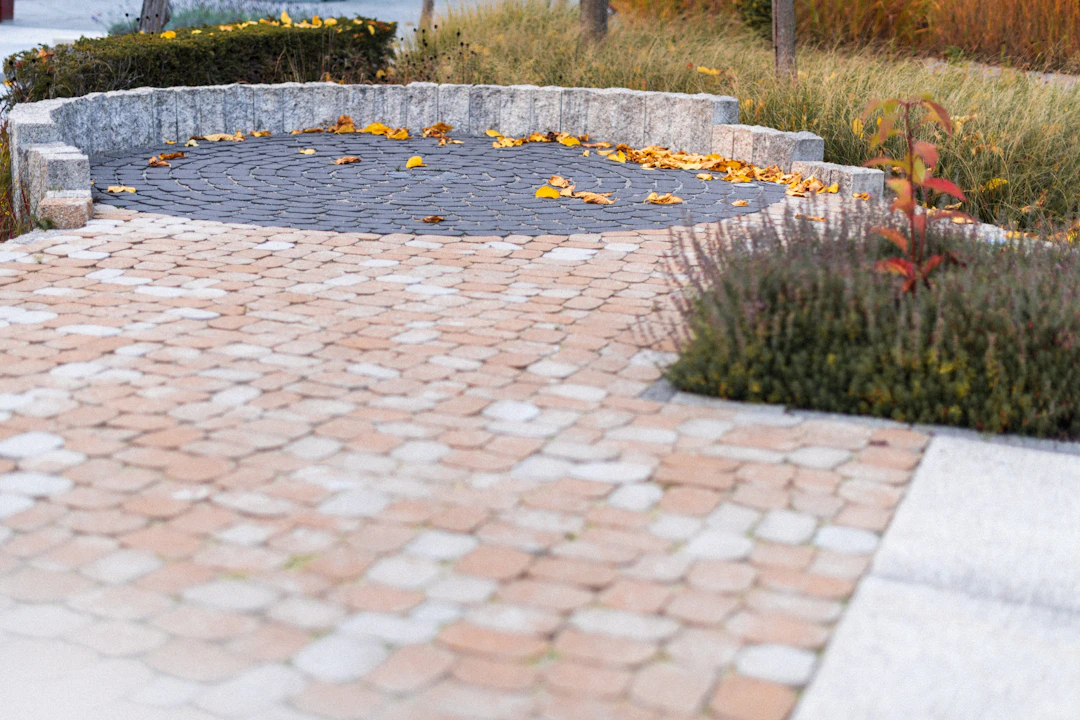
Custom patios in BC serve as an ideal centerpiece for outdoor gatherings. When designing your patio, consider materials that complement your home’s architecture. Stone, brick, and pavers are popular options for creating a unique and inviting outdoor space.
Walkways
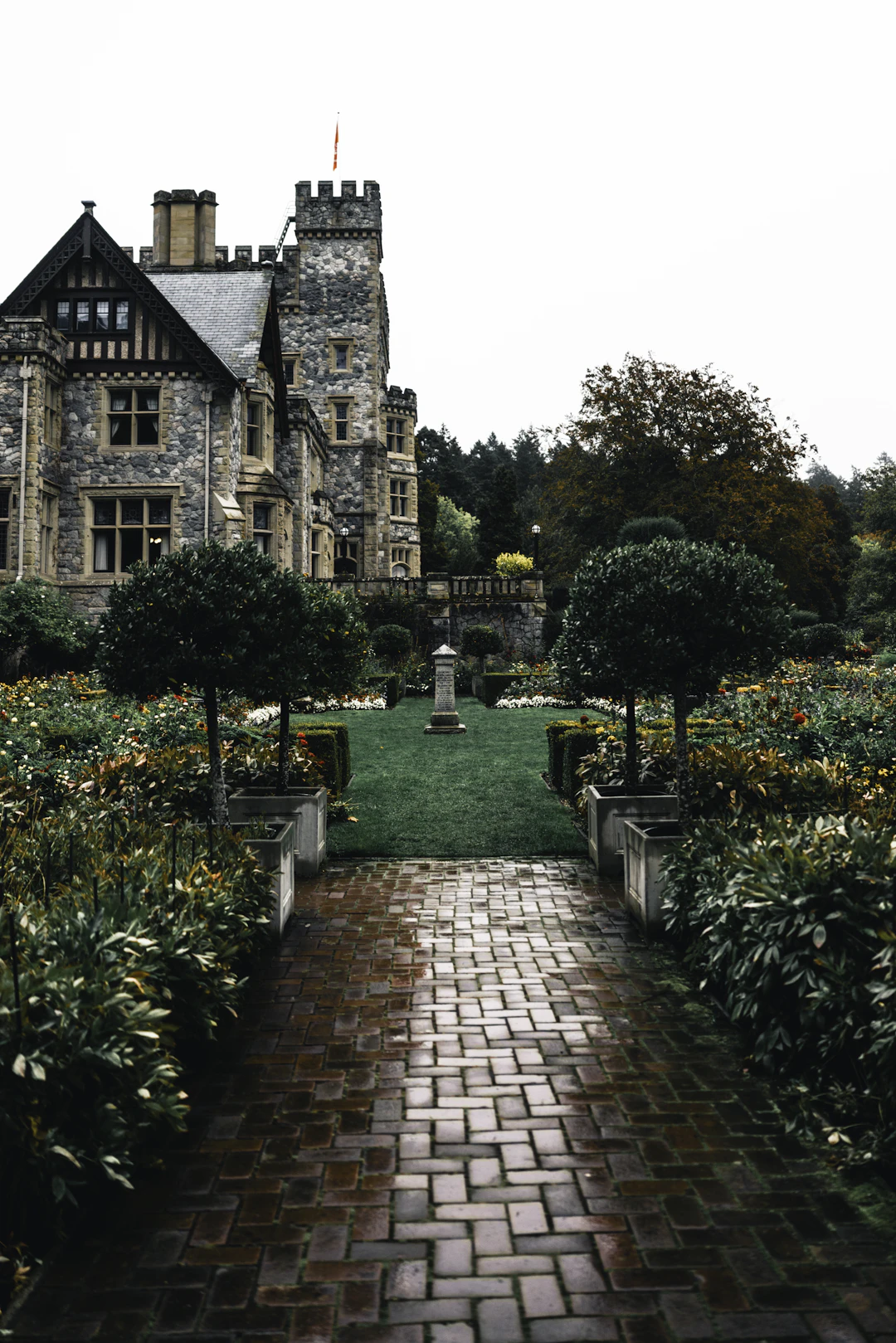
A well-designed walkway guides guests through your garden, drawing them into the beauty of your landscape. Whether you choose a straight path for modern designs or a meandering layout for a more organic look, walkways are a key feature in defining your landscape.
Retaining Walls
Retaining walls add depth and dimension to your landscape while serving a practical purpose by preventing soil erosion. Additionally, they can be used as seating areas or planting beds, providing dual functionality.
Outdoor Kitchens and Dining Areas
Embrace the outdoors by incorporating an outdoor kitchen. This not only brings convenience to your al fresco dining but also adds a luxurious touch to your home. From built-in grills to fully functional kitchens, making outdoor cooking a part of your lifestyle is an exciting trend in modern hardscaping.
Fire Pits and Fireplaces
Adding a fire pit or fireplace elevates your outdoor space, creating warmth and ambiance that extends usability into the evening. It’s a perfect spot for evening gatherings with family and friends.
Integrating Hardscaping and Softscaping
One of the most effective strategies for enhancing your outdoor living design is to mix hardscaping with softscaping. A balanced combination of these elements creates a cohesive look, enhancing beauty and functionality. Discover the best approaches to mix hardscaping with softscaping in this informative article: Mixing Hardscaping With Softscaping Best Approaches To Elevate Your Outdoor Living Design.
The Latest Trends in Hardscaping
The world of hardscaping is ever-evolving as designers are inspired by new materials, techniques, and trends. Here are a few of the latest trends:
Natural Stone: Using local and natural materials helps your hardscape blend seamlessly with the surrounding environment.
Sustainable Practices: Eco-friendly materials and permeable pavers are becoming commonplace in hardscaping to promote sustainability.
Curvilinear Designs: Moving away from straight lines, curves in pathways and patios create a more organic and relaxed atmosphere.
Layered Textures: Incorporating various textures—from rough stones to smooth pebbles—adds depth and interest to hardscaping.
Common Mistakes in Hardscaping
Even with the best intentions, it’s possible to make mistakes during hardscaping projects. Here are some pitfalls to avoid:
Over-Clutter: Too many hardscape elements can make a space feel cramped. Aim for a balance between hard and soft elements.
Neglecting Drainage: Proper drainage solutions are essential for preventing water damage and erosion. Ensure your hardscape promotes good water flow.
Ignoring Scale: It’s crucial that your hardscape elements match the scale of your environment. Oversized patios or walls may overwhelm a small yard.
Finding the Right Professionals
To bring your hardscaping dreams to life, consider working with professionals who understand modern hardscaping in Victoria. Expert patio builders can assess your space and provide insight into effective designs that match your vision and budget. For more information on expert patio construction services, check out this resource: Find Expert Patio Builders In Victoria Expert Patio Construction Services.
Incorporating Nature into Your Hardscaping
While hardscaping focuses on structure, it’s essential to remember the importance of nature. Integrating local flora into your outdoor living design can create a harmonious environment that celebrates the beauty of both plant life and hard surfaces. To learn more about this integration, refer to the article: Embracing Nature Integrating Local Flora Into Your Outdoor Living Design.
Transformative Takeaways for Your Landscape
Utilizing hardscaping to define your landscape opens up endless possibilities for enhancing your outdoor living space. By combining modern hardscaping techniques with thoughtful design, you can create a mesmerizing environment that encourages relaxation, play, and outdoor dining. Remember, the key is to find the right balance between hard and soft elements. Whether you choose to install custom patios in BC or a series of charming walkways, hardscaping enriches your landscape and invites you into a world of outdoor elegance.
FAQs
What is hardscaping in landscape design?
Hardscaping refers to the non-plant elements of landscape design, including paths, walls, patios, decks, and driveways made from hard materials like stone, wood, and concrete.
How does hardscaping enhance outdoor living design?
Hardscaping creates defined spaces for various outdoor activities, enhances functionality by adding seating areas and kitchens, and adds visual appeal by juxtaposing hard materials with softer elements like plants.
What are the benefits of incorporating hardscaping into landscape design?
Benefits include durability, low maintenance, increased property value, and improved water management.
What types of hardscape elements can I choose for my outdoor space?
Popular hardscape elements include patios, walkways, retaining walls, outdoor kitchens, and fire pits.
What are some common mistakes to avoid in hardscaping projects?
Common mistakes include over-cluttering the space, neglecting drainage solutions, and ignoring the scale of hardscape elements relative to the environment.
Comments