Transforming Your Outdoor Life: Designing Functional Seating and Dining Areas

Overview
Designing functional outdoor living spaces requires careful planning of seating and dining areas. Focus on layout, comfort, and accessibility, while considering modern hardscaping and natural elements to enhance aesthetics. Choose durable materials and integrate features like heating for year-round use. Aim to create inviting spaces that foster gatherings and memorable experiences.
Contents
Creating a functional outdoor living space begins with thoughtful consideration of seating and dining areas. These areas serve as the heart of gatherings, whether they are family barbecues, meals with friends, or quiet mornings sipping coffee. To achieve that perfect blend of comfort and utility, understanding design principles and practical needs is key. This article will take you through essential components of designing seating and dining areas within your outdoor living design, focusing on the importance of modern hardscaping in Victoria and showcasing the possibilities available in custom patios across BC.
Understanding the Importance of Space Planning
Proper space planning is the foundation of any successful outdoor dining or seating area. Start by evaluating the space available in your yard; consider the layout, existing features (such as trees or pathways), and how you want to interact with your surroundings. The placement of your seating and dining areas should facilitate easy flow and accessibility. Ideally, these areas should connect naturally with indoor spaces to create an extended living experience.
Considerations for Layout
Proximity to the Home: Position dining areas close to the kitchen for convenience, allowing easy access for serving food and drinks.
Sunlight and Shade: Observe how the sun moves across your space throughout the day. Consider adding awnings or umbrellas for shade to make outdoor dining more enjoyable during hotter months.
Privacy: Use plants, fences, or decorative screens to create a sense of seclusion from neighbors while maintaining an open feel.
Flow and Accessibility: Design paths that connect your outdoor spaces smoothly, ensuring they are spacious enough for movement without obstruction.
For more insights on creating enjoyable outdoor spaces, check out this resource: Embrace The Outdoors: A Guide To Modern Hardscaping And Stunning Outdoor Rooms.
Choosing Effective Seating Solutions
Seating should not only prioritize comfort but should also harmonize with your landscape design. Here are different types of seating you might consider:
Types of Seating
Dining Chairs: These provide comfort during meals. Opt for cushioned chairs to enhance comfort, and choose weather-resistant fabric to maintain their appearance.
Benches: A versatile option, benches can accommodate more people and work well around dining tables. Consider a built-in bench for a more permanent solution.
Loungers: Ideal for relaxing, loungers can enhance the overall experience in seating areas, perfect for readers or sunbathers alike.
Sectional Sofas: For expansive areas, sectionals can create a cozy conversational environment. They can integrate seamlessly with pillows and side tables for added comfort.
When selecting your seating materials, think about how each piece contributes to the overall aesthetic and aligns with your outdoor living design. Durable materials such as teak or aluminum can withstand elements, especially in Victoria’s varied climate.
Creating Dining Areas That Invite Gatherings
The dining area should feel like a welcoming invitation to gather and enjoy meals together. When designing this space, keep in mind the dining experience you wish to create.
Key Aspects of Successful Dining Areas
Table Size: Choose a table that fits the space and allows guests to dine comfortably while fitting into the overall layout.
Lighting: Good lighting can set the mood for evening gatherings. Consider string lights, lanterns, or built-in fixtures that complement the outdoor aesthetic.
Accessibility to Cooking Spaces: Ensure that your dining area is within easy reach of the barbecue or outdoor kitchen, enhancing the efficiency of food service.
Privacy Measures: Similar to seating areas, adding natural elements like shrubs or creating a trellis can define the space while providing seclusion.
Planning for comfortable dining can be further informed by understanding how climate affects outdoor spaces. Work through solutions specific to your environment, such as those discussed in Four Season Architecture: Elevating Landscape Design For Victoria's Winter Climate.
The Role of Hardscaping in Your Design
The concept of modern hardscaping is crucial in elevating outdoor spaces. This involves the use of non-plant materials to enhance functionality and aesthetics, ranging from patios to walkways and retaining walls. Here are some ways hardscaping integrates with your seating and dining areas:
Choosing the Right Materials
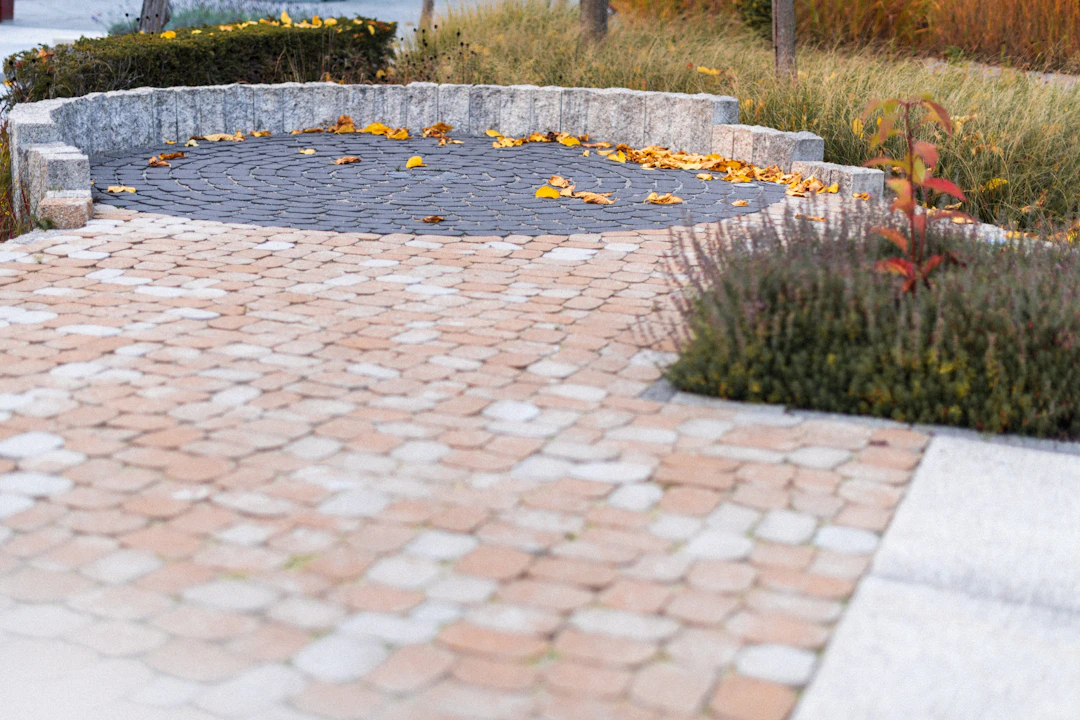
Patio Materials: Consider flagstone, pavers, or concrete, evaluated by durability and ease of maintenance. Custom patios in BC are an excellent way to personalize your space.
Textured Surfaces: Incorporating different textures can add visual interest and prevent slips, especially in wet conditions.
Water Features: Including water features such as fountains or small ponds can create an ambient soundscape that enhances the dining experience.
Your custom patio design creates a cohesive flow that invites guests to explore your outdoor living space. For more guidance on this, be sure to check out Expert Patio Builders In Victoria BC: Patio Construction Experts.
Incorporating Natural Elements
Integrating natural elements into your dining and seating areas enhances the outdoor experience. Surrounding your seating and dining spaces with greenery not only creates a pleasant atmosphere but can also improve the air quality.
Examples of Natural Elements to Include
Potted Plants: These are versatile and can be arranged to fit any space. Choose plants that are suited to your local climate.
Vertical Gardens: These can create lush backdrops and help create natural privacy partitions.
Herb Gardens: An herb garden near your dining area adds both beauty and functionality; they can serve your cooking needs.
Sustainable Materials: Use natural stone or reclaimed wood to create tables or benches, contributing to an eco-friendly outdoor space.
To discover more about incorporating elements of nature into your outdoor spaces, explore Bringing Nature Home: Incorporating Natural Elements Into Your Outdoor Room.
Enjoying Your Spaces Year-Round
Planning for specific uses during different seasons can enhance the value of your seating and dining areas. In places like Victoria where winters can be chilly, consider integrating heating solutions such as patio heaters or fire pits. These features extend the usability of your spaces beyond summer.
Seasonal Modifications
Changeable Decor: Use removable cushions, blankets, and table settings that can be easily swapped seasonally.
Weather-Proof Furniture: Invest in weather-resistant dining and seating furniture to ensure longevity and minimize upkeep.
Canopies or Pergolas: These structures can provide necessary shelter and create a cozy atmosphere year-round.
By keeping these elements in mind, your outdoor areas can transform into mesmerizing spaces that embrace both functionality and natural beauty.
Make the Most of Your Outdoor Moments
The journey of designing functional seating and dining areas will ensorcel your outdoor living experience. With proper planning, thoughtful selection of materials, and the integration of nature, you can create spaces that are not only comfortable but also conducive to building memories. Whether through casual gatherings, festive dinners, or quiet moments alone, these spaces shine brightly in your outdoor living design vision. Embrace the process, enjoy the results, and remember that every moment spent outdoors is a moment well-lived!
FAQs
Why is space planning important for outdoor seating and dining areas?
Space planning is essential as it ensures a successful layout that facilitates flow, accessibility, and integration with indoor spaces, making your outdoor living experience seamless.
What types of seating options are ideal for outdoor areas?
Effective seating options include dining chairs, benches, loungers, and sectional sofas, each providing comfort and enhancing the overall aesthetics of the outdoor space.
How can I create a welcoming dining area outdoors?
To create a welcoming dining area, consider the table size, appropriate lighting, accessibility to cooking spaces, and privacy measures using natural elements.
What role does hardscaping play in outdoor design?
Hardscaping involves using non-plant materials like patios and pathways to enhance functionality and aesthetics, providing structure and coherence to your outdoor spaces.
How can I enjoy my outdoor spaces year-round?
To enjoy outdoor spaces year-round, integrate heating solutions, use weather-proof furniture, and consider seasonal decorations to maintain comfort and usability in different climates.
Comments